
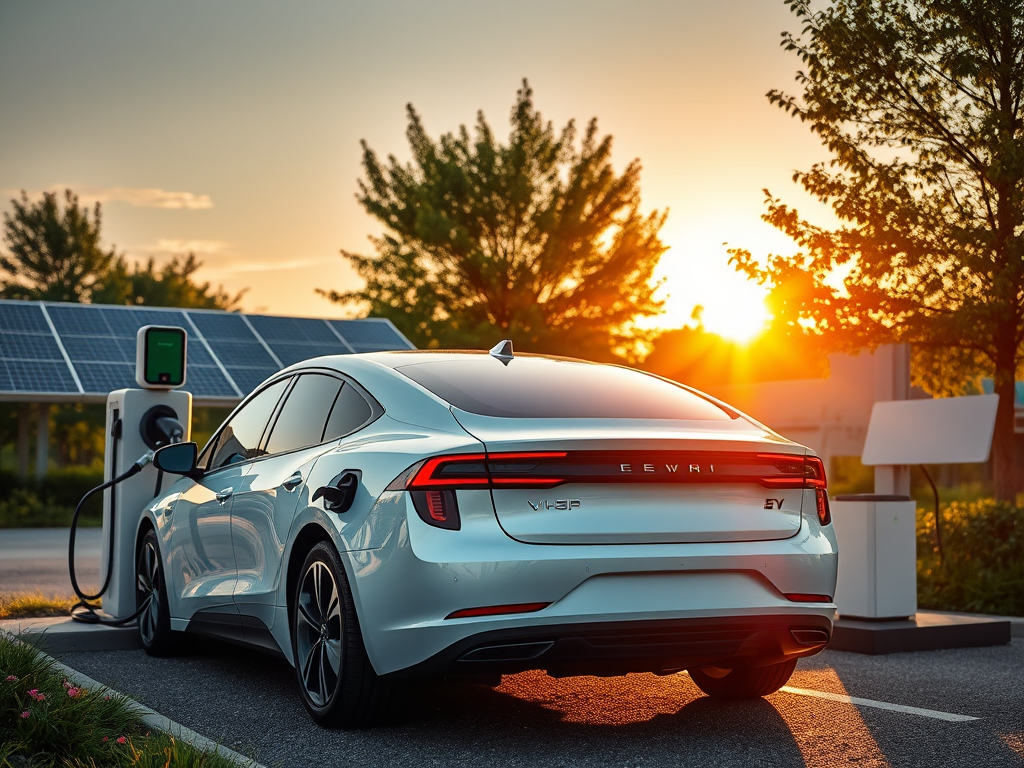
The global transportation landscape is undergoing a seismic shift, and at the heart of this revolution is the electric vehicle (EV). As more countries commit to reducing carbon emissions and investing in sustainable infrastructure, electric vehicles are no longer just a futuristic concept, they are an essential component of our transition to a greener future.
This blog post explores the rise of electric vehicles, their impact on the environment and economy, and what you need to know if you’re considering making the switch. We’ll also discuss the role of cryptocurrency in the EV ecosystem and how platforms like Binance are positioning themselves in this evolving market.
Why Electric Vehicles Are Taking Over
Electric vehicles are gaining popularity due to several key drivers:
- Environmental Concerns: EVs produce zero tailpipe emissions, making them a powerful tool in the fight against climate change.
- Government Incentives: Many governments offer tax credits, rebates, and grants to encourage EV adoption.
- Technological Advancements: Battery technology has improved significantly, reducing range anxiety and increasing efficiency.
- Lower Operating Costs: EVs generally have fewer moving parts, leading to reduced maintenance costs and lower fueling expenses.
The Current State of the EV Market
The global EV market is expanding rapidly. According to recent industry reports, EV sales grew by over 60% in 2023 alone. Several automakers, including Tesla, Ford, and Volkswagen, are ramping up production and committing to fully electric lineups within the next decade.
Governments across Europe, North America, and Asia have set aggressive targets for phasing out internal combustion engine (ICE) vehicles. For example:
- The UK plans to ban the sale of new petrol and diesel cars by 2030.
- California aims for all new passenger vehicles sold to be zero-emission by 2035.
- Norway leads the pack, with EVs accounting for over 80% of new car sales.
Types of Electric Vehicles
Not all EVs are the same. Here are the main types:
| Type | Description |
|---|---|
| Battery Electric Vehicles (BEVs) | Fully electric vehicles powered by rechargeable batteries. |
| Plug-in Hybrid Electric Vehicles (PHEVs) | Combine a battery-powered motor with a gasoline engine. Can run on electricity for short distances. |
| Hybrid Electric Vehicles (HEVs) | Use both electric motors and internal combustion engines, but cannot be charged via plug. |
Benefits of Driving an EV
1. Environmental Impact
EVs emit no tailpipe pollutants, significantly reducing greenhouse gas emissions, especially when charged with renewable energy.
2. Cost Savings
Electricity is cheaper than gasoline in most regions. EV owners also save on maintenance, as there are no oil changes or exhaust system repairs.
3. Performance
Electric motors provide instant torque, delivering fast and smooth acceleration.
4. Convenience
Charge your car at home overnight and avoid gas stations. Public charging infrastructure is also expanding rapidly.
Challenges Facing EV Adoption
Despite their many benefits, EVs face several challenges:
- Charging Infrastructure: Inadequate public charging stations in some regions.
- Initial Cost: Higher upfront cost compared to ICE vehicles, although this is declining.
- Battery Life and Recycling: Concerns about battery degradation and disposal.
Cryptocurrency and Electric Vehicles
The intersection of cryptocurrency and electric mobility is an exciting frontier. Blockchain technology offers transparent, secure, and efficient solutions for various EV-related challenges:
Blockchain Applications in EVs
- EV Charging Payments: Crypto can be used for seamless, decentralized payments at charging stations.
- Battery Lifecycle Tracking: Blockchain can track the history and status of EV batteries, improving recycling and resale.
- Carbon Credit Trading: Blockchain platforms can tokenize carbon credits, allowing EV users to trade their eco-friendly contributions.
Binance and the EV Ecosystem
Platforms like Binance are not only promoting the use of cryptocurrency but are also increasingly supporting sustainable initiatives. As a leading crypto exchange, Binance is involved in eco-conscious projects, providing a gateway for users to invest in green technologies.
Ready to start your crypto journey and explore opportunities tied to green tech?
Some links in this post are affiliate links. If you use them, I may earn a commission at no extra cost to you. Thank you for supporting Crypythone.com!
What to Consider Before Buying an EV
1. Range Requirements
Consider how far you drive daily. Modern EVs typically offer ranges between 200-400 miles on a single charge.
2. Charging Options
Check for home charging installation feasibility and availability of nearby public chargers.
3. Incentives
Explore local and federal incentives. These can significantly lower your purchase price.
4. Model Selection
Research various models based on features, range, charging time, and cost.
The Future of Electric Vehicles
The road ahead for EVs looks bright:
- Solid-State Batteries: Promising longer range, faster charging, and improved safety.
- Autonomous Driving Integration: EVs and self-driving tech are advancing together.
- Wireless Charging: Innovations in road-embedded wireless charging are being tested.
As EVs become more affordable and the charging network matures, mass adoption is inevitable.
Final Thoughts
The rise of electric vehicles marks a pivotal shift in how we think about transportation, sustainability, and technology. With governments, manufacturers, and consumers aligning on the importance of clean mobility, EVs are not just a trend, they are the future.
Crypto and blockchain are uniquely positioned to enhance this evolution by offering innovative solutions in logistics, payments, and transparency.
Are you ready to drive the change?
Some links in this post are affiliate links. If you use them, I may earn a commission at no extra cost to you. Thank you for supporting Crypythone.com!
Join the Conversation
Have you made the switch to an electric vehicle? What has your experience been like? Do you see a future where blockchain and EVs are fully integrated?
Share your thoughts in the comments below!
Leave a Reply