
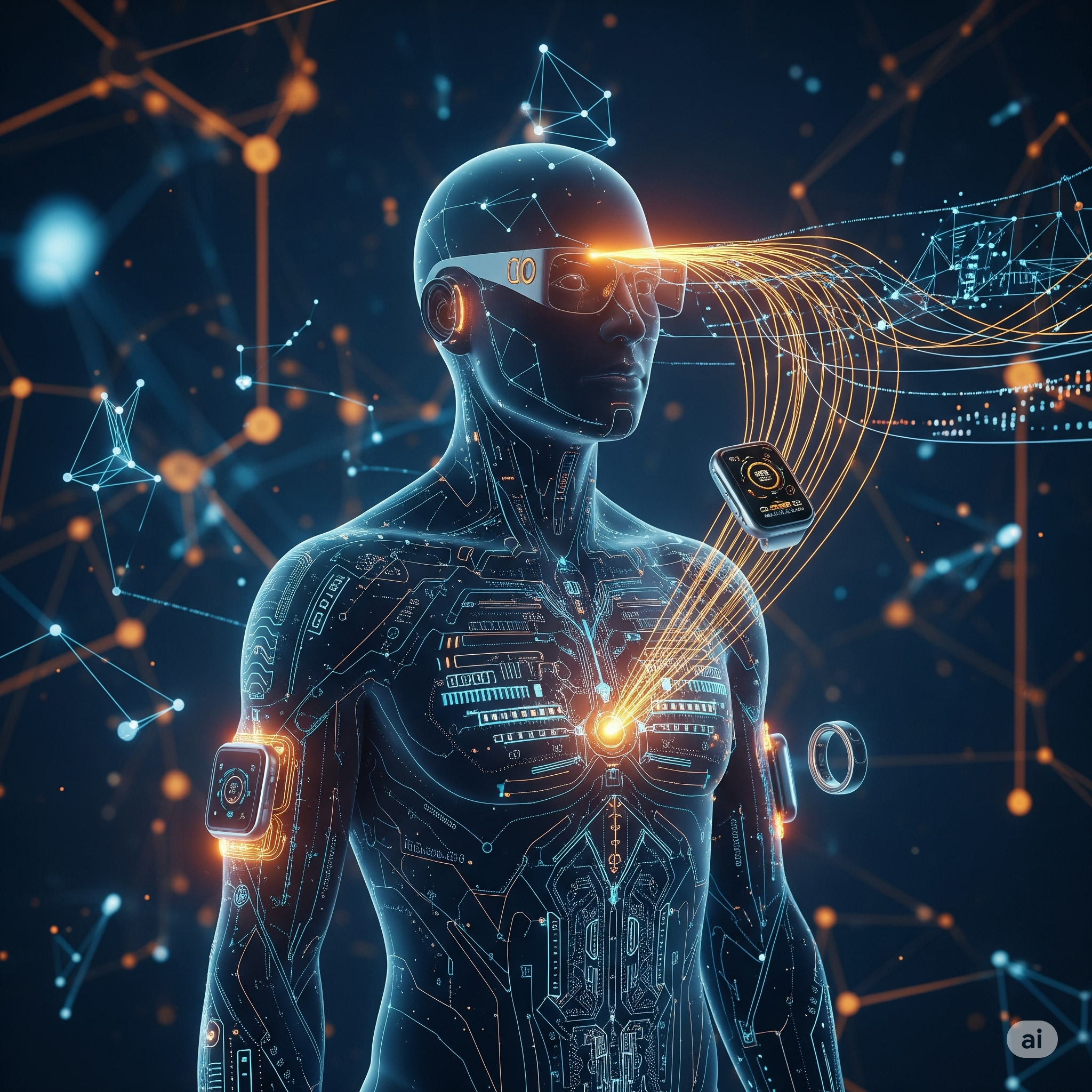
Once the stuff of science fiction, imagined on the wrists of secret agents or within the futuristic eyeglasses of dystopian narratives, wearable technology has quietly, yet profoundly, transformed from niche gadgetry into an indispensable extension of human existence. What began as rudimentary devices has blossomed into a sophisticated ecosystem of smart adornments, intimately integrated with our bodies, sensing our every move, monitoring our health, and seamlessly connecting us to the digital world. This isn’t just about convenience; it’s about unlocking new dimensions of human potential, health, and connectivity.
The journey of wearable technology is a testament to relentless innovation, a story of how humanity continually seeks to augment its capabilities and deepen its understanding of itself through technology. From simple pedometers strapped to the hip to elegant smartwatches delivering critical health insights, and from bulky virtual reality headsets to almost invisible smart rings, the evolution has been nothing short of breathtaking. We are moving beyond merely carrying technology to truly wearing it, dissolving the barrier between the human and the digital in ever more profound ways.
This comprehensive blog post will embark on an inspiring exploration of the remarkable evolution of wearable technology. We’ll trace its humble beginnings, celebrate its current breakthroughs, and cast a visionary gaze into a future where these intelligent companions enhance every facet of our lives – from personalized health and augmented perception to unprecedented levels of connectivity and immersion. Get ready to witness a technological revolution unfolding right on our skin.
The Primitive Pioneers: Early Whispers of Wearable Innovation
While the term “wearable technology” might evoke images of modern smartwatches, the concept of integrating tools with our bodies for convenience and enhancement is far from new. Early forms of wearables were often functional, practical tools designed to serve a specific purpose, laying the groundwork for the complex devices of today.
Think of the first eyeglasses, developed centuries ago, which literally augmented human vision. Or early wristwatches, which brought timekeeping directly to the wearer’s person, freeing them from the need to consult distant clocks. More recent, though still pre-digital, examples include hearing aids, which enhanced auditory perception, and early pedometers, simple mechanical devices that tracked steps, embodying the initial foray into personal health monitoring.
The 1980s and 90s saw rudimentary digital attempts, like calculator watches and early digital cameras integrated into accessories, hinting at the vast potential of miniaturization. These pioneers, though limited in their capabilities, represented the foundational steps of wearing technology rather than just carrying it. They sowed the seeds of an idea: that technology could be so intimate, so integrated with our daily lives, that it becomes an almost invisible part of us, always present, always ready to serve.
The Digital Dawn: Smartwatches and Fitness Trackers Ignite a Revolution
The true explosion of wearable technology, as we understand it today, began in the 2010s with the widespread adoption of fitness trackers and smartwatches. These devices moved wearables beyond niche curiosities into the mainstream, democratizing personal data and making health and connectivity instantly accessible.
Fitness Trackers: Gamifying Wellness
Companies like Fitbit and Jawbone led the charge, popularizing wrist-worn devices that tracked steps, distance, calories burned, and sleep patterns. Their appeal lay in simplicity and motivation. They gamified fitness, turning daily activity into achievable goals, complete with badges and social sharing. Users became more aware of their activity levels, fostering healthier habits and a proactive approach to well-being. These early trackers sparked a global conversation about personal health data and the power of continuous monitoring, transforming abstract health goals into tangible, measurable progress. The positive reinforcement loop they created was a revelation for millions seeking to improve their lifestyle.
Smartwatches: The Wrist-Worn Command Center
The arrival of smartwatches, spearheaded by the Pebble, then magnified by the colossal success of the Apple Watch and Samsung’s Gear series, marked a pivotal moment. These devices evolved rapidly from mere notification extensions of our smartphones to sophisticated, standalone computers on our wrists.
Modern smartwatches are now comprehensive health monitors, capable of tracking heart rate, blood oxygen levels, ECG readings, sleep stages, and even detecting falls or irregular heart rhythms. They are powerful communication hubs, allowing users to make calls, send messages, and interact with voice assistants without reaching for their phone. Beyond utility, they became fashion statements, with customizable faces and bands, appealing to a wide demographic. The integration of GPS, NFC for payments, and vast app ecosystems solidified their role as indispensable daily companions, blending seamlessly into our routines and empowering us with instant information and control.
Beyond the Wrist: Expanding the Wearable Frontier
As technology advanced and miniaturization became more sophisticated, wearables began to break free from the confines of the wrist, exploring new anatomical landscapes and unlocking even greater possibilities.
Smart Clothing and Textiles: Weaving Tech into Fabric
The integration of sensors directly into fabrics opened up revolutionary possibilities. Smart shirts can monitor heart rate, breathing, and muscle activity during workouts. Smart socks can track gait and foot pressure, optimizing running form. Heated jackets can adjust temperature based on ambient conditions. This “invisible tech” offers continuous, unobtrusive monitoring, perfect for athletes seeking performance optimization, workers in demanding environments, or individuals simply desiring passive health insights. The comfort and natural feel of clothing blend technology seamlessly into our daily wear.
Smart Glasses and AR Headsets: Enhancing Our Reality
While early attempts like Google Glass faced challenges, the vision of smart glasses and Augmented Reality (AR) headsets remains incredibly potent. Devices like Microsoft HoloLens, Magic Leap, and Meta’s ongoing projects promise to overlay digital information directly onto our view of the real world. Imagine real-time navigation arrows on your glasses as you walk, product reviews appearing as you browse a store, or technical diagrams floating in front of a mechanic’s eyes. This hands-free, context-aware information delivery holds immense potential for productivity, education, gaming, and simply experiencing the world in a richer, more informed way. The future of AR wearables aims for stylish, lightweight frames that seamlessly blend digital and physical realities.
Hearables: Intelligent Audio Companions
Modern earbuds and headphones are no longer just about pristine audio. “Hearables” are evolving into sophisticated wearable computers for our ears. Beyond active noise cancellation and immersive sound, they can integrate health sensors (measuring heart rate from the ear canal), provide real-time language translation, offer personalized audio experiences based on ambient noise, and act as discreet AI assistants always ready for voice commands. They are becoming intimate interfaces for accessing information and interacting with our digital lives, often unnoticed by others.
Medical Wearables: The Revolution in Personal Health
Perhaps one of the most impactful frontiers for wearables lies in healthcare. Devices like Continuous Glucose Monitors (CGMs) for diabetics, smart patches that monitor vital signs remotely, and specialized sensors for chronic disease management are empowering patients and revolutionizing remote care. These wearables enable proactive health management, early detection of anomalies, and allow healthcare providers to monitor patients outside of clinical settings, leading to better outcomes and enhanced quality of life. The ability to continuously collect high-fidelity health data is transforming medicine from reactive treatment to proactive prevention.
The Data Revolution: Unlocking Unprecedented Insights
At the heart of the wearable revolution is data. The continuous stream of information collected by these devices is unlocking insights into human behavior, health, and interaction that were previously unattainable.
- Personalized Health Insights: Wearables provide an unparalleled, 24/7 view into our individual physiology. This data powers personalized recommendations for fitness, nutrition, and sleep. It can flag subtle changes that might indicate the onset of illness, allowing for early intervention and potentially life-saving diagnoses. We’re moving towards a truly proactive health paradigm where wellness is managed continuously, not just during annual check-ups.
- Enhanced Productivity: Seamless notifications and quick access to information on our wrists or through our ears reduce distractions from our phones, allowing us to stay focused while remaining connected. In professional settings, hands-free AR devices can provide vital information directly in the field, optimizing workflows in industries from manufacturing to healthcare.
- Greater Safety and Security: Wearables with fall detection, emergency SOS features, and real-time location tracking provide a critical safety net for the elderly, children, or individuals in high-risk professions. In some cases, wearables can even integrate biometric authentication for secure access or payments.
- Seamless Connectivity: Wearables are bridging the gap between our physical and digital lives, allowing for a continuous flow of information and interaction that feels increasingly intuitive and natural. They act as a silent, ever-present bridge to our digital selves.
- Behavioral Change & Self-Awareness: The constant feedback loops provided by wearables (e.g., step counts, sleep scores, heart rate variability) encourage greater self-awareness and empower individuals to make data-driven decisions about their habits, fostering positive behavioral change and sustained wellness.
The Future Unveiled: A Strongly Positive and Visionary Outlook
The evolution of wearable technology is far from over; in many ways, it’s just beginning. The trajectory points towards an even more integrated, intelligent, and invisible future.
- Hyper-Personalization and Predictive Health: Future wearables will go beyond tracking to truly understanding individual physiology at a molecular level. AI-powered algorithms will not just report health metrics but predict potential issues before symptoms appear, offering highly personalized preventative interventions and treatment plans. Imagine a wearable that subtly nudges you towards a specific diet or activity based on real-time biochemical analysis.
- Invisible Tech and Bio-Integration: The trend towards miniaturization will continue, making wearables less noticeable, perhaps even disappearing into clothing, jewelry, or eventually, becoming bio-integrated or implanted devices. These could monitor internal biomarkers with unprecedented precision or even deliver personalized medication.
- Augmented Human Capabilities: Wearables will not just monitor but enhance. Advanced AR glasses will offer richer sensory experiences, perhaps even augmenting hearing or visual perception beyond natural limits. Exoskeletons and smart garments could provide physical support or amplify strength for specific tasks, transforming rehabilitation and industrial work.
- The Ultimate Metaverse Interface: As virtual worlds become more immersive, wearables will serve as our primary interfaces. Haptic feedback gloves will allow us to “feel” digital objects. Advanced body and eye tracking will enable unprecedented immersion and interaction within virtual environments. Smart glasses will be the gateway to blending the physical and metaverse worlds seamlessly. This will unlock incredible new ways to connect, learn, work, and play, with our wearables as the crucial bridge.
- Ethical and Privacy as a Pillar: As wearables become more intimate, the importance of data privacy, security, and ethical considerations will only grow. The industry is already focusing on robust encryption, transparent data policies, and user control over personal information, ensuring that this powerful technology is developed and deployed responsibly. This challenge is being met with innovative solutions, making future wearables both powerful and trustworthy.
The journey of wearable technology is a testament to humanity’s continuous quest for self-improvement and seamless integration with the digital realm. From humble beginnings, these devices have become powerful tools for health, connection, and understanding, providing a constant stream of insights that empower us to live richer, more informed lives.
The future promises an even more profound evolution, where technology becomes an intrinsic, almost invisible part of us, augmenting our senses, enhancing our well-being, and connecting us to a vast, interconnected digital universe. The wearables of tomorrow will not just monitor our lives; they will actively enhance them, enabling us to reach new heights of human potential and experience the world in ways we can only just begin to imagine. The future is vibrant, interconnected, and worn on our sleeves.
#WearableTech #FutureIsNow #HealthTech #Innovation #SmartDevices
Leave a Reply