
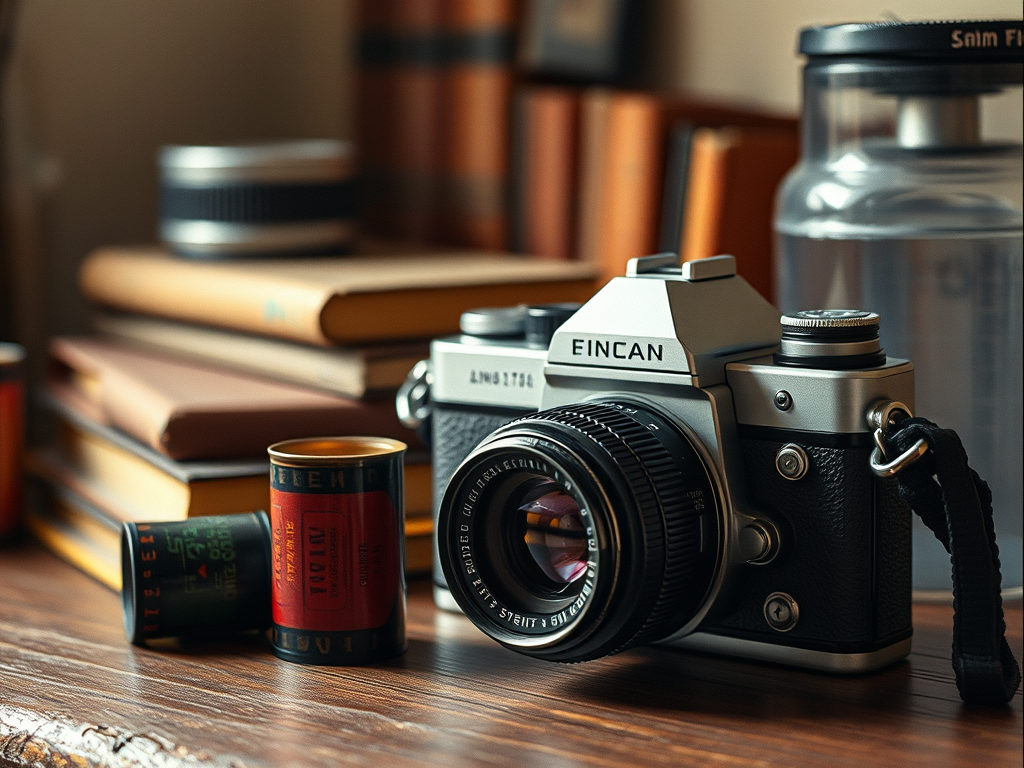
In an age dominated by smartphones and instant uploads, something unexpected is happening: people are falling back in love with film. Yes, analog photography is back, and it’s not just a fleeting trend—it’s a cultural movement that speaks volumes about our desire for authenticity, intentionality, and connection.
From Gen Z creators on TikTok showing off their 35mm cameras to professional photographers stocking up on expired film rolls, this resurgence goes beyond nostalgia. It’s about slowing down, embracing imperfection, and creating something you can hold—a tangible counterbalance to the ephemeral nature of digital content.
So why is analog making such a powerful comeback? And what does it say about our relationship with technology, art, and memory? Let’s dive into the stylish, grainy, hands-on world of analog photography.
🎞️ The Allure of Slowness in a Fast World
Today’s digital cameras and smartphones offer unmatched convenience. Snap, edit, post—it’s a frictionless cycle. But therein lies the problem. We’ve become so efficient at documenting life that we often miss the experience of living it.
Analog photography flips the script. With a film camera:
- You think before you shoot.
- Every frame costs money and effort.
- You wait for your photos to be developed.
This process adds weight and intention to each image. It’s slow, yes—but it’s also mindful. In a society obsessed with speed, analog offers a rare chance to pause and reflect.
🎨 The Aesthetic of Authenticity
Let’s talk about the look. That rich, unpredictable, almost magical film grain that even the most sophisticated filters can’t truly replicate. Film captures color, light, and emotion in a way that digital sensors often sterilize.
Each roll of film has its own personality—Kodak Portra with its soft pastels, Fujifilm Superia with its vibrant greens, or Ilford HP5 with its timeless black-and-white tones. Even the “flaws” like light leaks, lens flare, and overexposure become part of the story.
This aesthetic isn’t just romantic. It resonates deeply with modern audiences looking for realness in a world of airbrushed perfection and algorithm-approved content.
📷 Gen Z: The Unexpected Analog Evangelists
Surprisingly, the analog revival is being led not by old-school photographers, but by digital natives. Teenagers and twenty-somethings—who grew up with Instagram—are now trading megapixels for manual focus.
Why? Because analog photography aligns with their values:
- Individual expression over mass production.
- Quality over quantity.
- Presence over performance.
Platforms like TikTok and YouTube are filled with creators sharing their love for film photography, DIY camera hacks, thrift-store finds, and the excitement of waiting for a photo lab to process their latest roll.
It’s not rejection of technology—it’s a rebalancing.
🧠 Creativity Through Constraint
In digital photography, storage is limitless and editing is endless. With analog, you have constraints:
- A roll may contain 24 or 36 exposures.
- You can’t check if the shot is “good” until it’s developed.
- You need to get it right in-camera.
And yet, those constraints unlock creativity.
Photographers become more present, more careful with composition, and more in tune with light and timing. There’s something beautifully freeing about committing to a shot and letting go of the outcome.
Limitations, as it turns out, often breed innovation.
🛠 The Joy of the Mechanical
In a time where our gadgets are sealed, glassy rectangles, holding a mechanical camera feels almost rebellious. The tactile satisfaction of winding film, hearing the shutter click, adjusting the aperture—it’s physical, interactive, and deeply human.
Many analog cameras from the 60s, 70s, and 80s were built like tanks. No batteries, no screens—just precision gears and glass. These devices are often repairable, customizable, and sustainable, far outlasting modern electronics.
This craftsmanship taps into our growing desire for durability and quality—a pushback against disposable culture.
🖼 Tangibility in the Digital Age
What happens when your digital photos live only in the cloud or on your phone?
Often, nothing.
You forget about them. They gather virtual dust. They lack permanence.
With film, the moment becomes an artifact. A contact sheet. A printed photo. A memory you can hold, gift, display, or rediscover years later in a shoebox.
This tangibility is profoundly emotional. It reconnects us to the original power of photography: not just to capture life, but to honor it.
🌐 Analog Meets Digital: The Hybrid Workflow
Ironically, the return to analog isn’t about abandoning digital entirely. Many photographers now scan their negatives and share their work online, blending the best of both worlds.
This hybrid approach—shooting film, developing manually or commercially, then digitizing—has created new creative possibilities. Tools like high-resolution scanners and photo editing software let artists preserve the analog look while sharing with global audiences.
This isn’t regression. It’s evolution.
💼 Analog Photography as a Business
Believe it or not, analog photography has opened up new career paths and income streams:
- Film labs are opening (and thriving) again.
- Analog-focused influencers and YouTubers are gaining large followings.
- Etsy is filled with zines, prints, and darkroom-made art.
- Camera repair technicians are back in demand.
Even major brands are responding. Kodak has re-released popular film stocks, Fujifilm continues to supply instant film, and boutique companies are creating new 35mm and medium-format cameras.
This revival is economically viable, not just aesthetically appealing.
🛍 Want to Try It? Here’s What You’ll Need
Getting into analog photography doesn’t have to be expensive or intimidating. Here’s a quick starter kit:
- Camera: Look for models like the Pentax K1000, Olympus OM-10, or Canon AE-1.
- Film: Start with Kodak Gold 200 or Fujifilm C200 for vibrant colors and affordability.
- Lab: Find a local or mail-in lab to develop your film.
- Scanner: Optional, if you want to digitize your negatives.
That’s it. No apps, no subscriptions—just light, chemistry, and creativity.
🌅 Final Frame: Why Analog Matters Today
In a digital world filled with filters and fast likes, analog photography is a quiet rebellion. It’s a love letter to imperfection, a celebration of process, and a reminder that not everything needs to be instant.
As we navigate the future of media, memory, and self-expression, the revival of film offers us something precious: presence, permanence, and the joy of the real.
So dust off that old camera. Load a roll of film. And shoot like every frame counts—because it does.
#FilmIsNotDead #AnalogRevival #ShootFilmStayBroke #TangibleMemories #CreativeRewind
Leave a Reply