
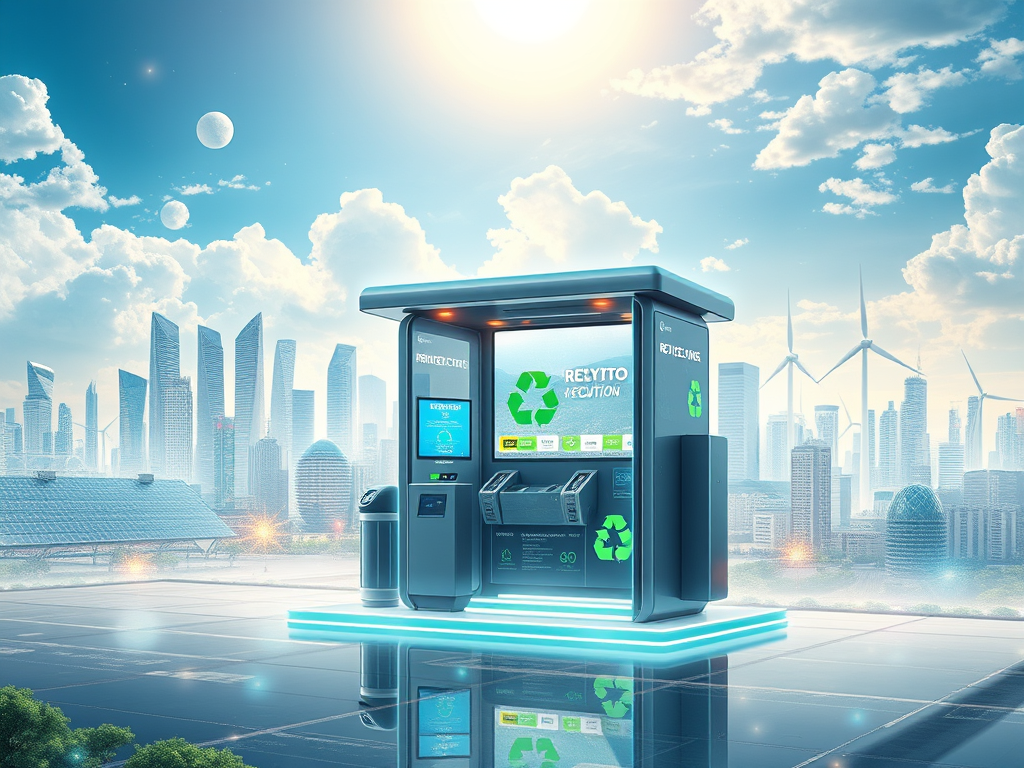
For years, recycling has been a noble but often underappreciated effort. The process can feel opaque, with little transparency and a lack of tangible, immediate incentives for individuals. We dutifully sort our waste, place it at the curb, and hope it reaches its destination, but the connection between our small action and a global impact often feels distant.
But what if a simple act like recycling a plastic bottle could instantly earn you a digital reward? In the world of smart cities, this isn’t a futuristic fantasy. It’s a rapidly emerging reality. By leveraging the power of blockchain and cryptocurrency, urban innovators are creating a new economic model for sustainability, one where every act of responsible recycling is not just good for the planet, but also a direct, verifiable transaction.
This post will explore how the intersection of smart city technology and the crypto space is fundamentally reshaping waste management, turning a civic duty into a dynamic, rewarding, and transparent system for a greener future.
The Problem with the Old Way
The traditional recycling model is a complex and often inefficient system. It suffers from a few key challenges that limit its effectiveness on a large scale.
- Lack of Incentives: Beyond a sense of personal responsibility, most recycling programs offer no direct, immediate reward for participation. This can lead to low engagement, especially for younger generations who are accustomed to instant gratification.
- Opacity and Fraud: Once waste is placed in a bin, its journey becomes a black box. There’s no way to verify that it’s been correctly processed. The lack of a transparent chain of custody makes the system vulnerable to fraud, where waste can be illegally diverted to landfills for a profit.
- A Broken Chain of Trust: The entire system relies on a network of third parties, from collection services to sorting facilities and recycling plants. A single point of failure or an act of negligence can break the entire chain, undermining the very purpose of the program and eroding public trust.
To truly transform recycling, we need a system that is transparent, verifiable, and, most importantly, provides a tangible reason for people to participate.
The Smart City Solution: Where IoT Meets Blockchain
In a smart city, the infrastructure is designed to be connected and data-driven. This creates the perfect environment for a new kind of recycling program.
- Internet of Things (IoT) as the Gatekeeper: The journey begins with IoT devices. These can be smart bins with built-in sensors that can automatically identify and weigh different types of waste, or they can be reverse vending machines that scan the unique barcode of a bottle or can. When you insert a recyclable item, the IoT device automatically records the type, weight, and time of the deposit.
- Blockchain as the Ledger: That data is then immediately recorded as a transaction on a decentralized blockchain. This simple act of recording is a game-changer. The blockchain creates an immutable, tamper-proof record of every single item that has been recycled. Unlike a centralized database, no one can go back and alter this information. It becomes a verifiable, public ledger of every positive act of sustainability.
- Smart Contracts as the Reward System: This is where the magic happens. A smart contract, which is simply code that automatically executes an agreement when its conditions are met, is programmed to instantly release a digital reward. The condition is met when the IoT device verifies the recycling deposit and logs the data on the blockchain. Once verified, the smart contract automatically sends a predetermined amount of crypto tokens directly to the user’s digital wallet.
This system is not just about automation; it’s about building a foundation of trust. It ensures that every single act of recycling is accurately recorded and immediately rewarded, without the need for a central authority or intermediary.
The Crypto Rewards Model: Turning Trash into Treasure
The reward itself is a crucial part of the equation. These are not just points on a loyalty card; they are crypto tokens with real-world value. The utility of these tokens can vary, but the models often fall into a few key categories:
- Local Economy Incentives: The tokens can be used as a form of local digital currency. Citizens could redeem their crypto rewards for discounted goods and services from participating local businesses, effectively creating a sustainable micro-economy within the city.
- Tradable Assets: The tokens can be traded on a cryptocurrency exchange, allowing people to convert their recycling efforts into a valuable asset. The value of the token could be linked to the demand for recycled materials, creating a direct economic incentive for the entire recycling supply chain.
- Funding and Philanthropy: Some projects are designed to use these tokens for a greater cause. A citizen’s recycling efforts could automatically contribute to a community fund that is used for urban sustainability projects, such as building more green spaces or funding clean energy initiatives.
This model fundamentally changes the psychology of recycling. It moves it from a chore to a rewarding activity. Every time a citizen deposits a bottle, they are not just doing their part; they are actively participating in a new, verifiable, and profitable economic system.
Real-World Examples in Action
While the concept may sound theoretical, several innovative projects are already putting this model into practice around the world.
- Plastic Bank: This social enterprise uses blockchain to create a global network that empowers collectors in developing countries to gather plastic waste before it enters the ocean. The collectors receive digital tokens in exchange, which they can then redeem for essential goods or services. This not only cleans up the environment but also provides a source of income for marginalized communities, using blockchain to create a transparent and fair system.
- Project in the Middle East: Academic papers and pilot projects in regions like Saudi Arabia have proposed and tested blockchain-based loyalty programs for household recycling. These initiatives use smart contracts and mobile apps to track household recycling and reward families with virtual tokens, demonstrating the technical feasibility and high potential for public adoption.
- Recycleye: This project uses AI-powered robots to sort waste and mint a new token for every successful “pick” of a recyclable item. This model directly links the value of a cryptocurrency to a verifiable, real-world, environmentally positive action, creating a transparent and scalable way to fund recycling efforts.
These examples prove that the technology is ready to scale. They show that blockchain can be a powerful catalyst for a new era of decentralized, community-driven sustainability.
The Benefits Are for Everyone
The implementation of crypto rewards for recycling creates a virtuous cycle of positive outcomes for all involved.
- For the Citizen: You get a direct, tangible reward for your efforts, making recycling a more engaging and worthwhile activity.
- For the City: Cities gain a more efficient and accountable waste management system, leading to cleaner streets and a stronger reputation as a leader in sustainability. The verifiable data on the blockchain can be used to set and track progress toward environmental goals.
- For the Planet: The biggest winner is the environment. By providing a clear economic incentive, more waste is diverted from landfills and oceans and channeled back into a circular economy.
This isn’t just about a new way to pay for recycling. It’s about a new way of thinking about value. It’s about recognizing that our positive actions have a quantifiable worth, and that through the power of blockchain, we can build a future where every act of environmental responsibility is both recognized and rewarded.
What are your thoughts on using crypto for sustainability? Would you be more likely to recycle if you earned crypto for it? Let us know in the comments below! If you found this post insightful, please share it with others, and for our new viewers, be sure to follow us to stay up to date on our latest content.
#CryptoForGood #SmartCities #Recycling #Blockchain #Sustainability
Leave a Reply