
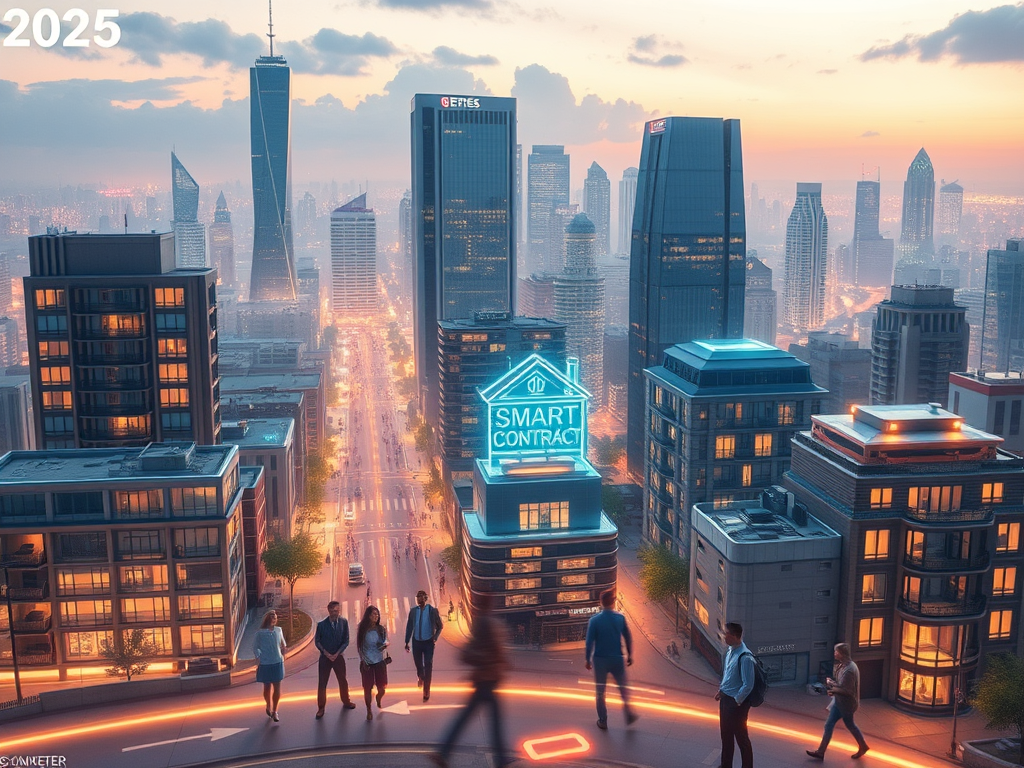
Blockchain technology is poised to revolutionize many industries, and real estate is no exception. With its promise of transparency, efficiency, and security, blockchain is set to change how we buy, sell, and manage properties in 2025. But how exactly will this new technology impact the real estate market? Let’s take a closer look at the key areas where blockchain can make a difference.
1. Smart Contracts for Real Estate Transactions
In the traditional real estate process, transactions can be slow and filled with paperwork. The introduction of smart contracts could streamline this process significantly. Smart contracts are self-executing contracts where the terms of the agreement are directly written into code. These contracts eliminate the need for intermediaries, such as brokers or lawyers, which can reduce costs and speed up the transaction process. In 2025, buying a property could be as simple as clicking a button and waiting for the blockchain to verify and complete the transaction.
2. Increased Transparency and Security
One of the biggest challenges in real estate is verifying property ownership and title information. Fraudulent activities can lead to legal disputes and financial losses. Blockchain offers a secure, immutable ledger where property records can be stored permanently and transparently. Every transaction involving a property—from ownership changes to lien placements—can be recorded on the blockchain, providing buyers with a verifiable history of the asset. This increase in transparency can lead to more trust between parties and reduce the risks associated with fraud.
3. Tokenization of Real Estate
Imagine being able to invest in real estate without buying an entire property. With tokenization, blockchain makes this possible. Property owners can divide their real estate assets into digital tokens that can be purchased by investors. This allows for fractional ownership, making real estate investing more accessible to a broader audience. Instead of needing hundreds of thousands of dollars to buy a property, you could invest in a fraction of a high-value property for a much smaller amount. This change could democratize real estate investing and create a new wave of investors in 2025.
4. Faster and Cheaper Cross-Border Transactions
Real estate has always been a challenging market for international buyers. The need for multiple intermediaries, currency conversions, and compliance with foreign laws has traditionally made cross-border property investments complex and costly. With blockchain technology, cross-border transactions can become faster, cheaper, and more efficient. Buyers and sellers from different countries can use cryptocurrencies and blockchain-based platforms to directly connect and finalize deals, bypassing traditional barriers and reducing transaction fees.
5. Decentralized Real Estate Platforms
Traditional real estate platforms often act as intermediaries, charging high fees for their services. In 2025, we could see the rise of decentralized real estate platforms that operate on blockchain technology. These platforms can directly connect buyers and sellers without the need for a central authority, reducing fees and creating a more open market. Moreover, blockchain ensures that all information listed on these platforms is accurate and verified, which leads to a more efficient market overall.
Join the Conversation!
Do you think blockchain will really change the real estate market in 2025? Have you already seen examples of blockchain being used in property deals? We’d love to hear your thoughts and experiences! Drop a comment below and join the discussion!
#Blockchain #RealEstate #SmartContracts #Tokenization #RealEstate2025 #CryptoInnovation #FutureOfRealEstate #CryptoCommunity #crypythone
Leave a Reply