
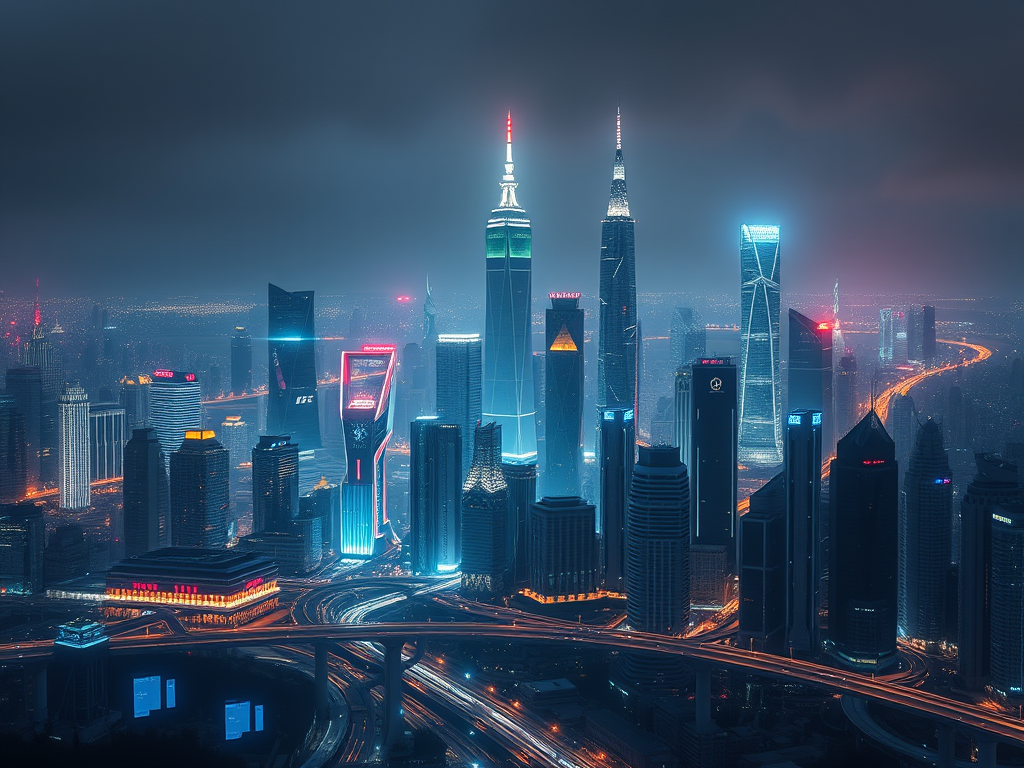
Most people still think of artificial intelligence as a productivity tool. Something that writes emails faster, creates images, helps with research, or automates repetitive work. But beneath this surface, a deeper shift is happening. Artificial intelligence is becoming a new form of geopolitical power.
This change is not loud. It does not always appear in headlines. Yet it quietly shapes how countries compete, cooperate, and prepare for the future.
For decades, global competition focused on land, energy, and military strength. Later, it shifted toward technology and manufacturing. Today, algorithms have entered that same arena. Nations are no longer just building infrastructure or weapons. They are building intelligence systems.
The uncomfortable reality is that artificial intelligence is not neutral. It reflects the values, priorities, and fears of those who control it.
Countries see AI as a multiplier. It amplifies economic growth, military capability, information control, and social influence. It accelerates scientific discovery. It improves cyber operations. It strengthens surveillance. It optimizes logistics and supply chains. It can even shape public opinion.
This is why governments are investing at unprecedented levels. Not only in research, but in talent, data, and computing power.
Many people feel a strange tension today. On one hand, AI promises efficiency and convenience. On the other, it raises concerns about control and dependency. This discomfort comes from sensing that artificial intelligence is no longer just about innovation. It is about sovereignty.
The race is not only about who builds the best models. It is about who owns the infrastructure behind them.
Semiconductors, cloud computing, and data ecosystems are now strategic assets. Countries want domestic control over these systems because they understand something that is rarely explained clearly. If you depend on someone else’s intelligence systems, you depend on their priorities.
This creates a new kind of competition. Less visible than traditional conflict, but potentially more influential.
Some nations focus on open ecosystems, hoping that collaboration leads to leadership. Others focus on control, prioritizing security and stability. Different political systems produce different approaches to artificial intelligence.
The result is a fragmented technological landscape.
This fragmentation affects everyday life in subtle ways. People may use different AI systems depending on where they live. Digital services may become less interoperable. Information environments may diverge. Global platforms may split into regional networks.
The internet once connected the world. Artificial intelligence could reorganize it.
This is already happening in areas like data governance, privacy standards, and digital infrastructure. The question is not whether fragmentation will occur. It is how deep it will go.
Another layer of discomfort comes from labor and economic power. Countries that integrate AI effectively could increase productivity and growth dramatically. Others risk falling behind.
This creates a widening gap. Not only between individuals, but between nations.
The future of work is tied to this competition. Automation will not eliminate jobs overnight. Instead, it will reshape industries unevenly. Some regions will adapt faster. Others will struggle.
This fuels migration pressures, social tension, and political instability.
People sense that the global balance is shifting, even if they cannot articulate why.
Artificial intelligence also transforms warfare, but not always in the ways people imagine. The most powerful changes are often invisible. Intelligence gathering, predictive modeling, cyber operations, and decision support systems become more important than traditional weapons.
Conflicts may become faster, more complex, and less predictable.
This uncertainty feeds anxiety. It creates a feeling that events are accelerating beyond human control.
At the same time, AI can reduce risks. It improves disaster response, climate modeling, healthcare, and crisis management. It helps governments anticipate problems earlier.
This dual nature is what makes artificial intelligence so unsettling. It can stabilize and destabilize at the same time.
The deeper question is not whether AI is good or bad. It is who shapes its direction.
Nations are not only competing to build stronger algorithms. They are competing to define the rules of the future. Governance, ethics, transparency, and accountability become strategic tools.
This struggle will influence how much freedom individuals retain in the digital age.
For individuals, this shift changes the meaning of security. It is no longer only about physical safety or financial stability. It includes digital resilience, data ownership, and technological awareness.
People who understand how these systems work gain a psychological advantage. They feel less overwhelmed by change. They make better decisions in uncertain environments.
This is why clarity matters more than ever.
The future will not be determined by artificial intelligence alone. It will be shaped by how societies choose to use it.
The most important competition may not be between countries. It may be between fear and wisdom.
If artificial intelligence amplifies human intention, then the real question becomes simple and uncomfortable.
What kind of future do we want to scale?
Most people do not need to build algorithms to influence this direction. But they do need awareness. Because the silent competition shaping the world today will eventually shape their lives, their opportunities, and their freedoms.
Understanding this does not create panic. It creates perspective.
And perspective is power in an age defined by intelligence.
Disclaimer: This article provides general educational insights about artificial intelligence and global dynamics. It does not constitute financial, political, or professional advice.
#ArtificialIntelligence #FutureGeopolitics #DigitalPower #TechCompetition #Feereet
Leave a Reply