
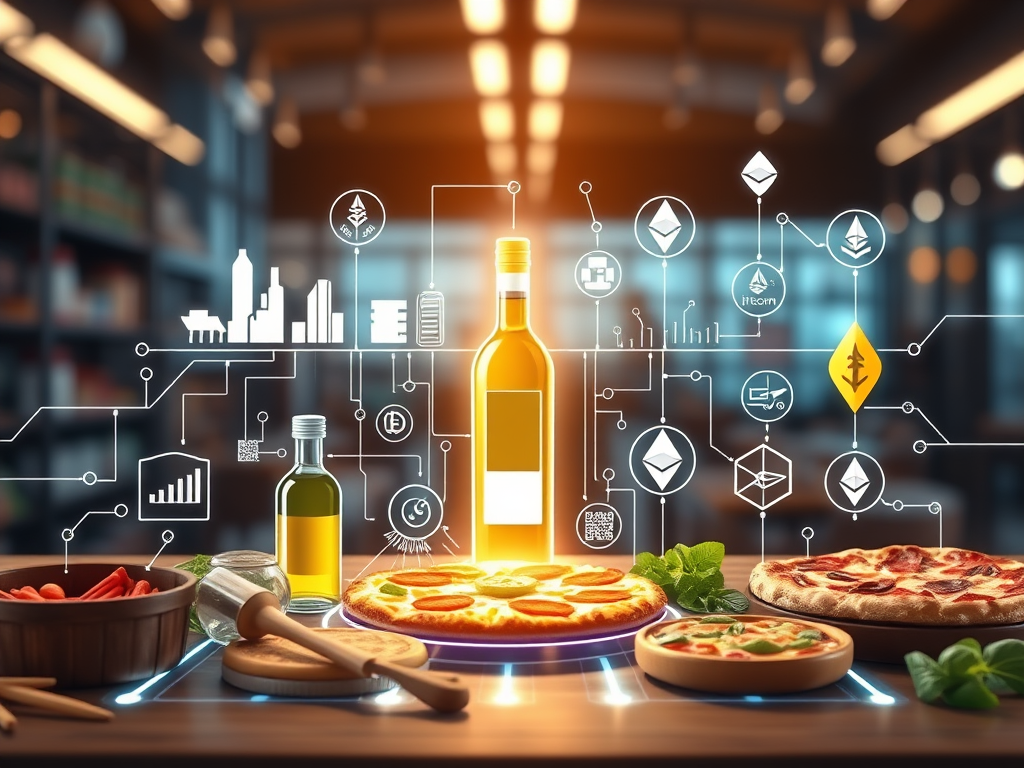
Blockchain technology is no longer just about cryptocurrencies like Bitcoin or Ethereum. It has started to make its way into various industries, and the food industry is no exception. From tracking food supply chains to introducing crypto payments in restaurants, blockchain is transforming the way we think about food and technology. Let’s explore how crypto is making a mark in this sector.
1. Enhancing Food Traceability
One of the most significant ways blockchain is impacting the food industry is by improving traceability. With blockchain, every step of a food product’s journey, from farm to table, can be recorded and verified. This creates a transparent, tamper-proof record that ensures food safety and authenticity.
For example, if there’s a recall of contaminated food, blockchain can help identify exactly where the problem originated. Companies like IBM Food Trust are already working with major retailers and producers to implement blockchain-based traceability systems.
2. Fighting Food Fraud
Food fraud, such as mislabeling products or selling counterfeit goods, is a significant problem in the global food market. Blockchain provides a solution by allowing consumers and businesses to verify the authenticity of products. Using blockchain, a bottle of olive oil, for instance, could have a QR code that lets buyers trace its origins and ensure it’s genuinely from the Mediterranean.
3. Crypto Payments in the Food Sector
Restaurants and food delivery platforms are starting to accept cryptocurrencies as payment. This offers a fast, secure, and borderless payment option, especially for international customers. Crypto payments are becoming particularly popular in tech-savvy cities and with companies that cater to younger, digital-native audiences.
Imagine ordering your favorite pizza and paying with Bitcoin or Ethereum instead of your credit card. Companies like Starbucks, Chipotle, and various smaller food chains have already begun experimenting with crypto payments.
4. Tokenizing the Food Experience
Blockchain allows food businesses to engage customers in new ways, such as through tokenization. Tokens can be used as loyalty points, giving customers discounts or rewards for frequent purchases. Additionally, some food startups are creating tokens that allow users to invest in future products or initiatives, giving them a stake in the company’s growth.
5. Reducing Food Waste
Blockchain can also help reduce food waste by optimizing supply chains and improving inventory management. By recording real-time data on a decentralized ledger, businesses can track perishables more effectively and ensure that food is distributed to areas where it’s most needed before it expires.
6. NFTs and the Food Industry
Non-fungible tokens (NFTs) are also making their way into the food industry. Some brands are using NFTs as a marketing tool, offering limited-edition digital collectibles tied to exclusive food experiences. For instance, a high-end restaurant might sell an NFT that grants the holder a reservation for a special event.
Join the Conversation!
Have you noticed blockchain or crypto being used in your favorite restaurants or food brands? What do you think about paying for meals with Bitcoin or using tokens as loyalty points? Share your thoughts and experiences in the comments below, let’s discuss how blockchain and crypto are changing the way we eat!
#Cryptocurrency #Blockchain #CryptoInFood #FoodIndustry #BlockchainInnovation #CryptoPayments #NFTs #FoodTech #Crypythone
Leave a Reply