
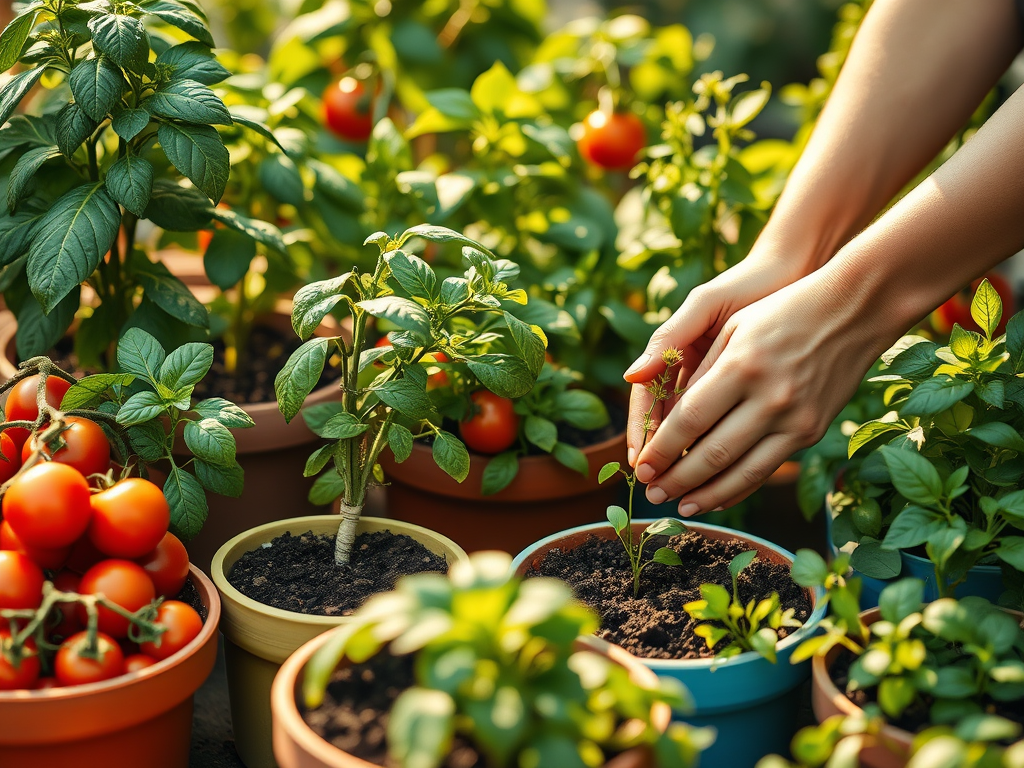
In a world increasingly defined by fast food, chemicals, and climate concerns, there’s a quiet revolution sprouting in backyards, balconies, and urban rooftops. More people are turning toward organic gardening—not just as a hobby, but as a lifestyle upgrade. If you’ve ever dreamed of picking fresh basil from your windowsill or biting into a tomato you grew yourself, you’re not alone. Starting your own organic garden is easier, more rewarding, and more essential than ever before.
Let’s explore how you can plant the seeds of wellness, sustainability, and satisfaction—right at home.
Why Organic Gardening?
Organic gardening means growing fruits, vegetables, and herbs without synthetic fertilizers, pesticides, or genetically modified organisms (GMOs). It promotes natural ecosystem balance, soil health, and chemical-free food. But it goes even deeper—it’s about cultivating mindfulness, responsibility, and a direct relationship with what you eat.
Here’s why starting your own organic garden is a game-changer:
🌿 Healthier Food
When you grow your own produce organically, you control what goes into your food. No hidden chemicals, no preservatives—just vibrant, nutrient-rich ingredients straight from the soil to your plate.
🌱 Environmental Benefits
Organic gardening reduces carbon emissions, supports biodiversity, and builds resilient soil. It’s one of the most direct ways individuals can fight climate change and contribute to a sustainable planet.
🧘 Stress Relief and Mental Health
Gardening is proven to reduce cortisol levels and increase dopamine. It grounds you, literally and emotionally. In a fast-paced digital world, slowing down to nurture life is healing.
💰 Save Money Over Time
Seeds and compost are far cheaper than weekly grocery store trips for herbs and greens. While there’s an initial investment, the returns are ongoing—and delicious.
Getting Started: What You Need to Begin 🌼
You don’t need a sprawling backyard to start your organic garden. A windowsill, balcony, or a few square feet of yard can be enough. Here’s a step-by-step guide:
1. Choose Your Space
Identify an area that receives at least 6–8 hours of sunlight daily. Containers, raised beds, vertical planters, or even grow bags can work for small spaces.
Pro Tip: South-facing windows offer the best light indoors.
2. Select What to Grow
Start simple with high-yield, low-maintenance crops like:
- Leafy greens (lettuce, kale, spinach)
- Tomatoes
- Herbs (basil, mint, rosemary)
- Peppers
- Radishes
Choose crops based on your climate, available space, and what you actually enjoy eating.
3. Use Organic Soil and Compost
Healthy plants begin with healthy soil. Look for organic potting mixes rich in nutrients. Compost is a goldmine—it enhances soil fertility, moisture retention, and microbial life.
You can buy certified organic compost or start your own compost bin at home using vegetable scraps, coffee grounds, eggshells, and yard waste.
4. Water Wisely 💧
Organic plants thrive with deep, consistent watering. Water early in the morning to reduce evaporation. Use mulch to retain moisture and suppress weeds.
Avoid overwatering—roots need oxygen too. Your fingers are the best moisture sensor: if the soil feels dry an inch below the surface, it’s time to water.
5. Avoid Synthetic Chemicals
Skip synthetic pesticides and fertilizers. Instead, use natural alternatives:
- Neem oil or garlic spray for pests
- Companion planting to repel insects (e.g., marigolds near tomatoes)
- Homemade compost or compost tea for nutrients
Let beneficial insects like ladybugs and bees become allies in your natural ecosystem.
Advanced Tips: Taking It to the Next Level 🚀
Once you’ve got the basics down, you can experiment with more sophisticated organic gardening techniques.
Companion Planting
This strategy involves pairing plants that benefit each other. For example:
- Basil improves tomato flavor and repels pests
- Carrots and onions deter each other’s enemies
- Beans fix nitrogen in the soil for leafy greens
It’s natural synergy at work—no tech required.
Crop Rotation
Rotating crops each season prevents nutrient depletion and discourages pests and diseases that target specific plants. Keep a simple garden journal to track what was planted where and when.
Permaculture Principles
Embrace permaculture by designing a garden that mimics nature. This includes rainwater harvesting, growing perennial plants, and creating self-sustaining ecosystems.
Urban Organic Gardening: No Yard? No Problem! 🏙️
Living in an apartment doesn’t exclude you from the organic movement. Here are urban-friendly solutions:
- Container Gardening: Grow herbs and vegetables in pots with drainage holes.
- Vertical Gardening: Use wall-mounted planters or hanging pots to maximize space.
- Hydroponics and Grow Lights: Modern tech allows soil-free indoor gardening with LED support.
Urban gardening isn’t just possible—it’s thriving in cities around the globe.
The Joy of Harvesting 🌽
There’s nothing quite like harvesting something you nurtured from seed. It builds a deeper appreciation for food, nature, and the cycles of life. Even a small basket of homegrown greens feels like a victory.
Gardening also becomes a gateway to other sustainable habits—like composting, waste reduction, and mindful eating.
And let’s not forget: it makes for amazing, Instagram-worthy moments. Nothing pops like a handful of freshly picked cherry tomatoes under morning light.
Organic Gardening and Community 🌍
Many communities now offer:
- Community gardens where residents can rent plots
- Organic gardening workshops and seed swaps
- Local composting initiatives
Connecting with fellow gardeners fosters shared learning, resource exchange, and even friendships rooted in shared values.
Challenges? Yes. But Totally Worth It
Gardening isn’t always perfect. Pests may sneak in, plants may wilt, and schedules may be busy. But every obstacle is an opportunity to learn and grow—just like your garden.
The key is to start small and smart. Focus on one or two crops you love, learn as you go, and gradually expand.
Every seed you plant is an act of optimism.
Final Thoughts: Grow More Than Just Food 🌏
Starting your own organic garden isn’t just about tomatoes or basil—it’s about reclaiming control over your health, environment, and happiness. It’s about living with intention, grounded in the rhythms of nature.
In an age where convenience often means compromise, going organic is your way of saying: I choose better.
So grab a trowel, dig into the soil, and begin your journey toward something real, nourishing, and truly rewarding.
🌱 Hashtags
#GrowYourOwn #OrganicLiving #UrbanGardening #SustainableLifestyle #GardenToTable
Leave a Reply