
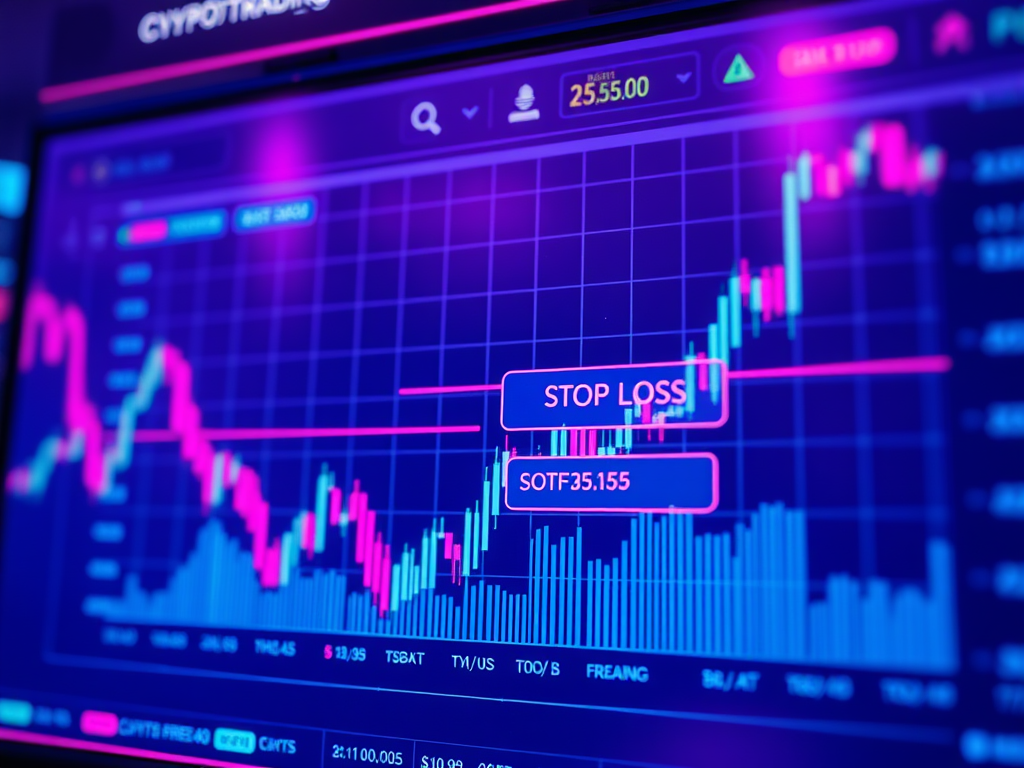
Investing in cryptocurrencies can be both exciting and nerve-wracking. Prices can change rapidly, and managing risk is crucial for long-term success. One effective tool to protect your investments is a stop-loss order. In this post, we’ll explain what stop-loss orders are, how they work, and how beginners can use them to safeguard their crypto portfolios.
What Is a Stop-Loss Order?
A stop-loss order is a trading tool that automatically sells your cryptocurrency when its price reaches a predetermined level. It’s like an insurance policy for your investments. By setting a stop-loss, you can limit potential losses during market downturns while staying focused on your long-term strategy.
For example, if you buy Bitcoin at $30,000 and set a stop-loss order at $28,000, your position will automatically sell if the price drops to $28,000. This way, you avoid larger losses if the price continues to fall.
Benefits of Using Stop-Loss Orders
- Risk Management: Protects your portfolio from significant losses during market downturns.
- Emotional Control: Removes the temptation to panic sell during market fluctuations.
- Automation: Executes trades automatically, even when you’re not actively monitoring the market.
- Discipline: Encourages a consistent investment strategy by setting predefined exit points.
How to Set Up a Stop-Loss Order
Here’s a step-by-step guide to setting up a stop-loss order:
- Choose a Trading Platform: Make sure the exchange or trading platform you use supports stop-loss orders. Popular platforms like Binance, Coinbase, and Kraken offer this feature.
- Select the Asset: Navigate to the cryptocurrency you want to set the stop-loss order for.
- Decide on Your Stop Price: Determine the price level at which you want the stop-loss to activate. This should be based on your risk tolerance and investment goals.
- Set the Order: On your trading platform, choose the stop-loss option and enter the following:
- Stop Price: The price at which the order is triggered.
- Limit Price: The price range at which the order should execute.
- Quantity: The amount of cryptocurrency to sell.
- Confirm the Order: Double-check the details and confirm the order to activate your stop-loss.
Tips for Beginners
- Don’t Set It Too Close: Avoid setting your stop-loss too close to the current price to prevent being triggered by minor price fluctuations.
- Reevaluate Regularly: Update your stop-loss levels as market conditions and your portfolio value change.
- Use Percentage-Based Stops: Instead of choosing a fixed dollar amount, consider using a percentage to define your stop-loss level (e.g., 10% below your purchase price).
- Combine with Other Tools: Use stop-loss orders alongside other risk management strategies, such as diversification and dollar-cost averaging.
Common Mistakes to Avoid
- Ignoring Market Trends: Don’t set stop-loss levels blindly. Consider the asset’s volatility and historical price movements.
- Neglecting to Adjust: As your investment grows or market conditions change, adjust your stop-loss levels to reflect new realities.
Join the Conversation!
Do you use stop-loss orders in your trading strategy? What’s your experience with protecting your investments in volatile markets? Share your insights or ask questions in the comments below. Let’s learn from each other and improve our trading strategies together!
#Cryptocurrency #StopLossOrders #CryptoInvesting #RiskManagement #CryptoTips #CryptoForBeginners #crypythone
Leave a Reply