
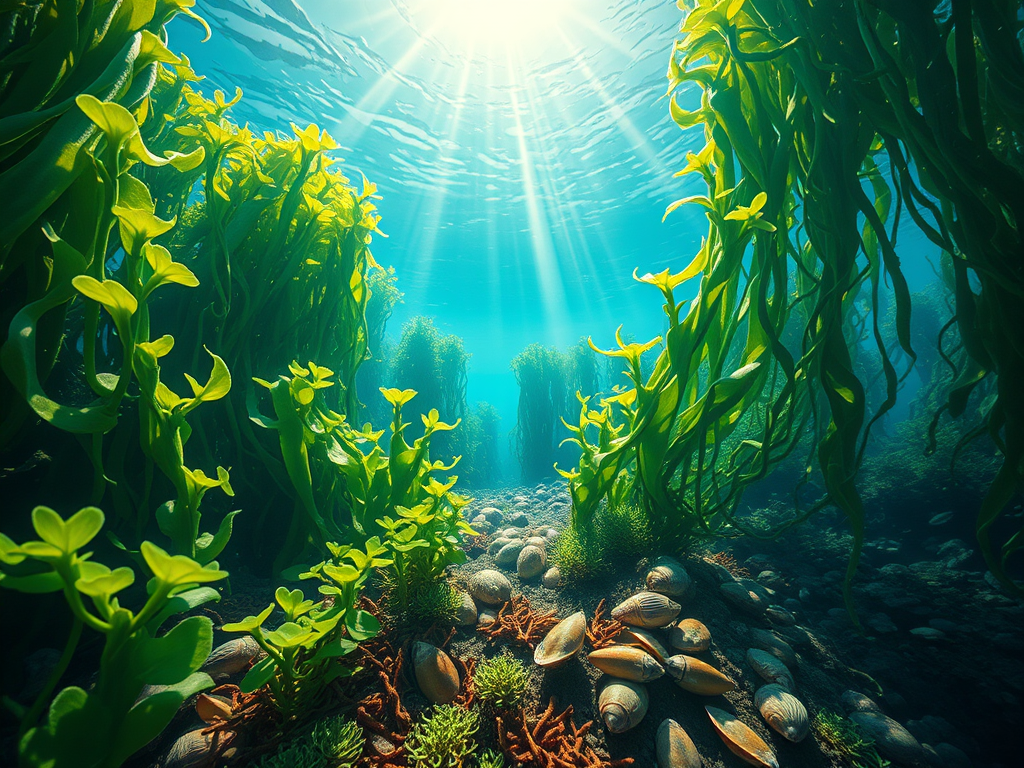
The conversation around sustainability is evolving—and so is farming. As climate change accelerates, soil quality declines, and food security becomes a growing concern, one powerful solution is rising from the deep: Ocean Regenerative Farming. This revolutionary method of ocean-based agriculture is turning heads not just for its ecological potential, but also for its ability to feed the world without destroying it.
Welcome to the blue revolution—where kelp forests and shellfish farms aren’t just ocean scenery, but the foundation of a thriving, climate-resilient, and sustainable food system.
What Is Ocean Regenerative Farming?
Ocean regenerative farming, also known as marine permaculture or restorative ocean farming, involves cultivating seaweeds (especially kelp) and shellfish (like oysters, mussels, and clams) in a way that regenerates ocean ecosystems while providing nutrient-rich, low-impact food sources.
Unlike industrial aquaculture—which often contributes to pollution, habitat destruction, and overfishing—regenerative ocean farms work with nature, not against it. There are no fertilizers, no fresh water, and no feed required. Instead, ocean farmers harness the ocean’s natural nutrients, currents, and biodiversity to grow food in vertical columns of productivity that can stretch for acres.
Why Ocean Regenerative Farming Matters Now
The oceans cover more than 70% of Earth’s surface, but they contribute only about 2% of the world’s food supply. Meanwhile, global food demand is expected to increase significantly as population and urbanization grow.
Traditional agriculture faces enormous challenges:
- Depleting soil health
- Freshwater scarcity
- Greenhouse gas emissions
- Deforestation
Ocean regenerative farming sidesteps all of these. Seaweeds absorb carbon dioxide and nitrogen, shellfish filter and clean water, and both can be grown without displacing land or drinking water.
This makes regenerative ocean farming a climate-positive, low-impact answer to modern food system problems.
The Benefits: From Climate to Cuisine
🌊 1. Climate Resilience
Seaweeds, especially kelp, are natural carbon sinks. They absorb CO₂ up to 50 times more efficiently than land-based plants. A well-managed kelp farm can sequester thousands of tons of carbon per year, helping to mitigate climate change while producing food, biofuel, and bioplastics.
Meanwhile, shellfish filter water, reducing nitrogen levels and preventing harmful algal blooms. Together, they form ecosystems that boost biodiversity and even protect coastlines from erosion and storm surge.
🍽 2. Nutritious and Sustainable Food
Kelp is a superfood—rich in iodine, antioxidants, fiber, and protein. Shellfish are high in omega-3s, zinc, and iron. Both are:
- Low on the food chain (meaning less resource-intensive)
- Fast-growing (kelp can grow up to 2 feet per day!)
- Easy to harvest without harming habitats
More importantly, these foods are accessible and affordable, making them a sustainable protein source for populations around the world.
💼 3. Economic Opportunity
Ocean regenerative farming is creating new jobs in coastal communities—especially those previously dependent on commercial fishing or struggling due to declining stocks. The infrastructure required is minimal, startup costs are relatively low, and farmers can begin harvesting in as little as six months.
Some companies are even turning seaweed into bioplastics, animal feed supplements, or soil fertilizers—opening entire new markets in the blue economy.
🔁 4. Biodiversity Boost
Vertical ocean farms double as habitats for marine life. Fish, crabs, seahorses, and other species thrive in kelp forests and among shellfish beds. These farms don’t just produce food—they revive marine ecosystems that have been damaged by pollution, trawling, and acidification.
How It Works: Simple Yet Brilliant Design
A regenerative ocean farm is typically made up of ropes suspended in the water column from buoys. Kelp is attached to longlines, growing downward, while shellfish like mussels and oysters grow in baskets or cages closer to the sea floor.
This 3D farming method maximizes vertical space and minimizes the environmental footprint. There’s no need for heavy machinery or synthetic inputs.
Farmers can rotate species, harvest year-round, and even integrate artificial reefs or floating solar panels to increase yield and ecological synergy.
Who’s Leading the Movement?
Organizations like GreenWave, founded by former fisherman Bren Smith, have popularized the regenerative ocean farming model. Their vision? “A million ocean farmers in the water”—an achievable dream with global scalability.
Across North America, Europe, and parts of Asia, pilot projects and commercial farms are expanding rapidly, supported by government grants, academic research, and private investment.
Startups are exploring how to incorporate kelp into everything from protein powders to packaging. Meanwhile, chefs are getting excited about kelp-based cuisine, introducing it in fine dining and fast-casual alike.
Challenges Ahead
Despite its promise, ocean regenerative farming is not without hurdles:
- Regulatory barriers: Permits for ocean farming can be complicated, slow, and inconsistent depending on location.
- Consumer awareness: Many people are unfamiliar with kelp or shellfish as everyday food items, especially in Western diets.
- Infrastructure and logistics: Coastal infrastructure and cold chain systems for marine produce still need to catch up in many regions.
But with proper policy, education, and investment, these challenges are surmountable.
The Big Picture: A Regenerative Future
Regenerative ocean farming isn’t just a trend—it’s a movement. It represents a paradigm shift in how we think about food, sustainability, and our relationship with the planet.
Unlike extractive industries, this model is restorative by design. It doesn’t just aim to “do less harm,” but actively heals ecosystems while creating value for communities, economies, and future generations.
In a world facing soil degradation, overfishing, and climate chaos, the ocean may hold the answers we’ve been looking for.
How You Can Support the Blue Revolution
- Eat blue: Try kelp-based products or local shellfish.
- Support regenerative farms: Look for certifications or community-supported aquaculture (CSA) programs.
- Advocate: Push for ocean-friendly policies and sustainable aquaculture investments in your region.
By embracing the ocean’s potential, we can rewrite the narrative of food production and climate action—from extraction to regeneration.
#OceanFarming #RegenerativeAgriculture #BlueEconomy #SustainableSeafood #ClimatePositiveFarming
Leave a Reply