
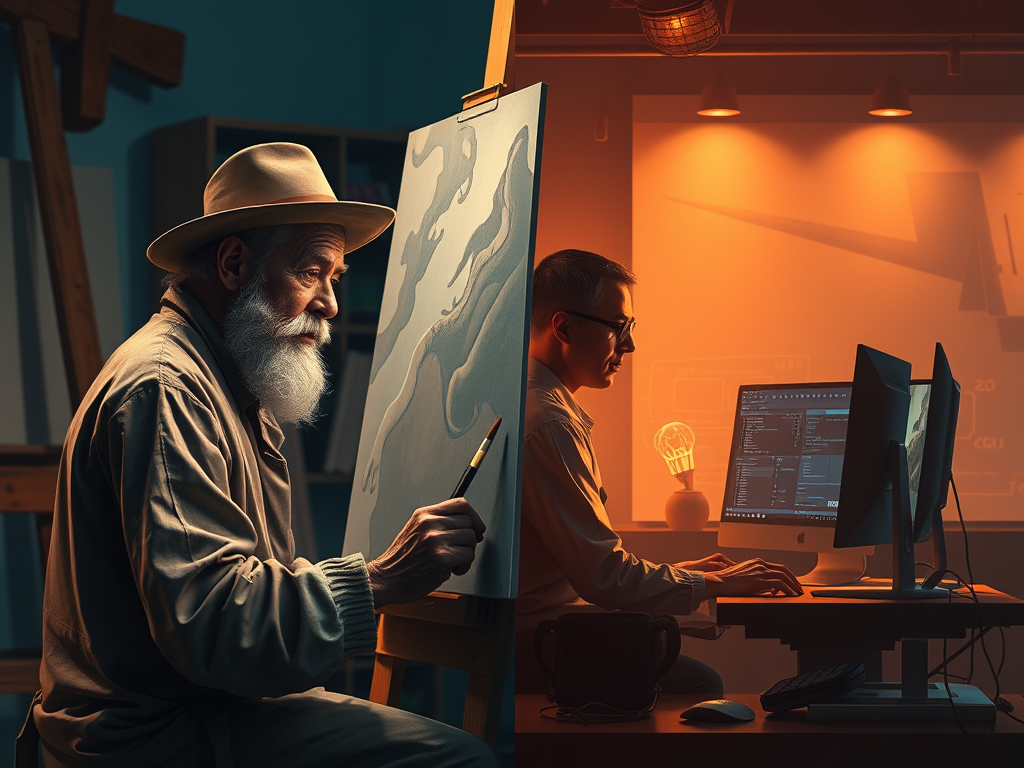
We live in an age of digital magic, where the lines between the real and the synthetic are blurring at an astonishing pace. At the heart of this transformation is deepfake technology—a powerful form of artificial intelligence that can create hyper-realistic videos and audio of people doing or saying things they never did. For a long time, the word “deepfake” was synonymous with misinformation and malicious intent. But as the technology has matured, a new narrative has emerged, one where deepfakes are not just tools of deception but instruments of art, satire, and creative expression. The rise of deepfake entertainment presents a fascinating and complex ethical frontier, forcing us to grapple with profound questions of consent, creativity, and control. This isn’t just a technological puzzle; it’s a social and philosophical one, and the way we choose to navigate it will define the future of digital media.
The Uncanny Canvas: Deepfakes as Creative Tools
The most significant shift in the deepfake conversation is its move from a solely malicious use case to a legitimate creative one. Artists and filmmakers are embracing deepfakes as a new medium, exploring a world of storytelling that was once confined to the imagination. In Hollywood, the technology is already being used for practical effects, such as seamlessly de-aging actors for flashback scenes or digitally recreating late actors to complete a film. This allows for a level of historical and narrative authenticity that was previously impossible, providing a powerful new tool for filmmakers.
Beyond commercial cinema, deepfakes are being used for satire and social commentary. Online creators have used the technology to place the faces of politicians into absurd situations, creating hilarious and incisive parodies that challenge the viewer to think critically about media. Art installations have also used deepfakes to resurrect historical figures, allowing them to deliver new speeches or engage in fictional dialogues that explore contemporary issues. In these contexts, deepfakes are not about fooling the audience; they are about provoking them, inviting them to engage with the concepts of identity, authenticity, and media manipulation in a safe and entertaining way.
The Ethical Crucible: Navigating Consent and Control
While the creative potential of deepfake entertainment is undeniable, it exists within a complex ethical crucible. The core of the debate revolves around three key pillars: consent, creativity, and control.
Consent is the single most important ethical consideration. A deepfake created without the consent of the person whose likeness is being used is, by its very nature, a violation of personal autonomy. This is particularly relevant for public figures and actors. While there’s a strong argument for parody and satire as protected forms of speech, the line is easily crossed into non-consensual use that could damage a person’s reputation or livelihood. For actors, the issue becomes even more complex: what happens when their likeness is licensed for a film, but an AI-generated deepfake of their performance is created later? Who owns the rights to that synthetic performance?
This leads directly to the issue of creative control. In a world of synthetic media, who is the author? Is it the person whose likeness is used, the artist who created the deepfake, or the programmer who developed the AI? As deepfakes become more sophisticated, the distinction between a human performance and an AI-generated one will become increasingly difficult to make, challenging traditional notions of intellectual property and authorship. A deepfake of an actor’s performance could be used to create a new movie without their consent or fair compensation, completely disrupting the existing labor models of the entertainment industry.
Building the Guardrails: Responsible Innovation
The solution to these ethical challenges is not to ban deepfakes altogether but to build a framework for their responsible use. This requires a multi-pronged approach that involves technology, law, and social norms.
Technology is already part of the solution. Innovators are developing sophisticated deepfake detection tools that can analyze subtle digital artifacts and inconsistencies in a video to determine if it has been manipulated. These tools are in a constant race with the deepfake generators, but their existence is a crucial step toward maintaining trust in digital media. Furthermore, a new wave of technologies is focused on provenance and ownership. Blockchain-based solutions are being explored to create a verifiable, immutable record of who created a piece of synthetic media and with whose consent, using digital watermarks to certify authenticity.
From a legal standpoint, the conversation around copyright and privacy laws is gaining momentum. Legislators are working to create legal frameworks that protect individuals from non-consensual deepfakes while allowing for legitimate creative expression. These frameworks will likely focus on defining clear lines for what constitutes harm, particularly for the use of deepfakes for defamation or fraudulent purposes.
Finally, the most powerful guardrail we can build is social. Encouraging a culture of media literacy and critical thinking is essential. In a world where anything can be faked, the responsibility to question what we see and hear falls on each of us. By promoting transparency and clear labeling—such as marking a video as “AI-generated” or “synthetic media”—creators can ensure that their work is enjoyed for its artistic merit without deceiving the audience.
The Future is Now: A New Era of Creativity
The ethics of deepfake entertainment are a complex but crucial conversation. The technology is a mirror, reflecting our own values and fears about authenticity, power, and identity. But it is also a window into a future of unparalleled creative possibilities. Imagine being able to see a historical event from a new perspective, to see a late artist perform a new work, or to collaborate with your own digital likeness to create something entirely new.
The key to unlocking this potential is to approach it with a clear set of principles: a reverence for consent, a respect for creative ownership, and a commitment to transparency. By building a robust framework of ethical guidelines and technological solutions, we can ensure that deepfakes become a force for creativity, connection, and progress, rather than division. This is our opportunity to shape a new digital age, one where technology serves not to diminish our humanity, but to amplify our capacity for imagination and wonder.
#DeepfakeEthics #CreativeTech #SyntheticMedia #AIinArt #DigitalRights
Leave a Reply