
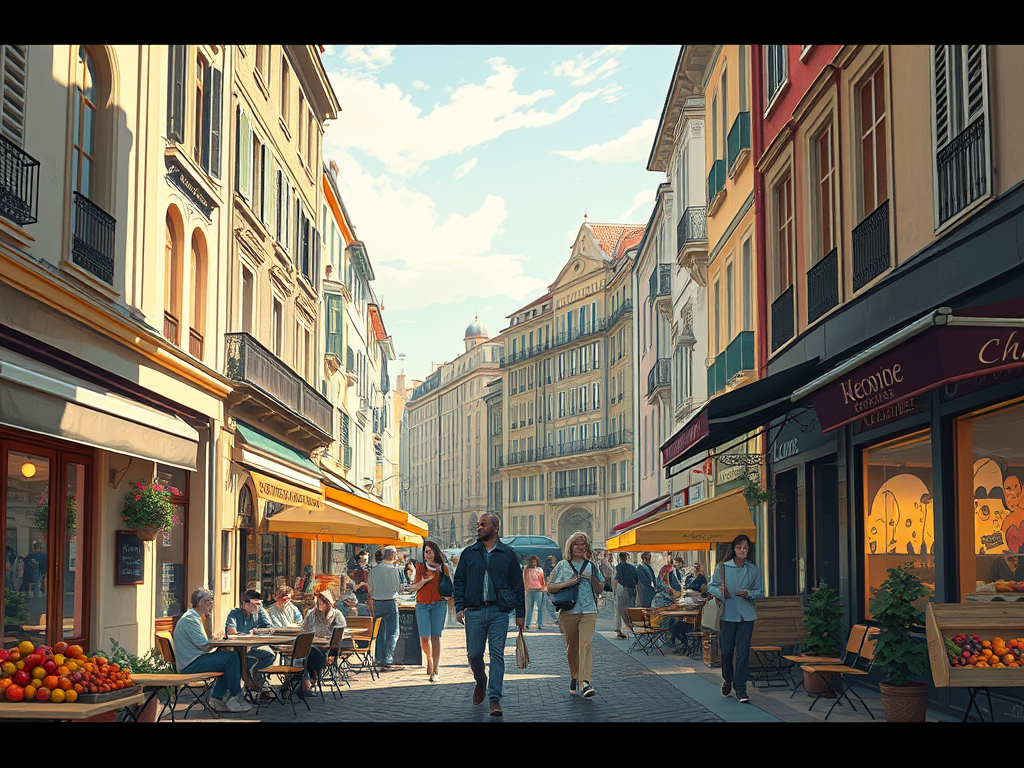
The world is bigger than its postcards. For decades, our travel aspirations have been defined by a handful of iconic cities—Paris, Rome, Tokyo. These celebrated hubs are undeniably beautiful, but they often come with a hidden cost: overflowing crowds, inflated prices, and a feeling of being a passive spectator in a city designed for tourists. But a powerful new trend is changing the way we see the world. It’s a positive shift that encourages us to look beyond the famous landmarks and discover a new kind of magic. This is the rise of the “second city,” and it’s the key to a more authentic, affordable, and sustainable travel experience.
A second city isn’t a lesser city; it’s a vibrant, authentic hub that often serves as the cultural and economic heart of its region, away from the nation’s capital. It’s where you can find a truer glimpse of local life, where every street corner doesn’t have a souvenir shop, and where the most unforgettable memories are made not in front of a monument, but in a small, family-owned restaurant.
The Case for the Second City
Choosing to travel to a second city is a strategic and enriching decision driven by a desire for a different kind of journey. The benefits are clear and compelling.
- Authenticity is a Destination: When you step away from the major tourist centers, you are stepping into a city that hasn’t been completely molded by the demands of mass tourism. Second cities offer a more genuine look into a country’s culture, from the local markets and hidden cafes to the unique art scenes and neighborhood traditions. Here, you are not just an observer; you are an active participant in the city’s living, breathing culture.
- Travel Smarter, Not Harder: In a world where travel budgets are always a consideration, second cities are a revelation. Accommodations, meals, and local transportation are often significantly more affordable than in their more famous counterparts. This allows you to not only save money but also to travel for longer, explore more deeply, and truly live like a local. Your money goes further, and so does your experience.
- A More Sustainable Journey: The concentration of tourism in a few key cities has led to a major challenge of “overtourism”—straining local resources, raising costs for residents, and damaging cultural sites. By choosing a second city, you are actively contributing to a more balanced and respectful global tourism ecosystem. You are helping to distribute economic benefits more broadly and easing the pressure on the world’s most-visited destinations.
A World of Unforgettable Alternatives
The beauty of this trend is that it unlocks a world of inspiring alternatives, proving that the best travel experiences often lie just a short train ride or flight away from the main hub.
- In Europe: Instead of a return trip to Paris, consider the culinary marvels of Lyon, the gastronomic capital of France with a rich history and a stunning riverfront. In Italy, while Rome and Florence are magnificent, the thriving food culture and historic port of Bologna offer an equally captivating and far less crowded experience. And if you’ve seen the canals of Venice, the vibrant, artistic spirit of Porto, Portugal, with its iconic bridges and world-famous port wine, is a worthy adventure.
- In North America: Travelers looking for a dose of authentic culture away from the major metropolises are finding their way to destinations like Asheville, North Carolina, with its thriving arts scene and stunning Blue Ridge Mountain backdrop, or Milwaukee, Wisconsin, a city with a rich brewing history and a vibrant waterfront scene that is perfect for a summer escape.
- In Asia: If the neon glow of Tokyo is a bit overwhelming, the food-centric, comedy-filled, and endlessly charming city of Osaka, Japan, offers a different kind of urban energy. For those seeking spiritual peace and natural beauty away from the bustle of Bangkok, Chiang Mai, Thailand, with its ancient temples and surrounding mountain retreats, is the perfect sanctuary.
How to Be a Second City Explorer
The first step to embracing second-city travel is a shift in mindset—from looking for landmarks to looking for experiences. But here are a few practical tips to get you started:
- Follow the Locals: Instead of relying on a standard tourist guidebook, search for local food blogs, community event calendars, and city-specific Instagram accounts. These resources will lead you to the places and experiences that locals love.
- Look Beyond the Main Airport: The most popular cities often have the busiest and most expensive airports. Look for flights into regional airports and use local train systems to reach your destination. This approach can save you a significant amount of money and give you a more authentic sense of a country’s landscape.
- Embrace Public Transport: When you arrive, make a point of using the city’s public transport system. It’s not only the most affordable way to get around but also a direct way to observe and engage with the daily rhythm of local life.
The Future of Travel is Here
The rise of the second city is more than a trend; it’s a movement toward a more mindful and rewarding way to see the world. It’s an acknowledgment that true adventure doesn’t require a passport to the most famous place, but a willingness to explore the undiscovered corners of your own travel map. By choosing the path less traveled, you are not only enriching your own journey but also helping to build a more sustainable and equitable future for global tourism. So, skip the lines, bypass the crowds, and find the soul of your next great adventure.
#SecondCityTravel #AuthenticTravel #SustainableTourism #TravelSmart #ExploreMore
Leave a Reply