Cryptocurrency enthusiasts have coined many terms, but few are as iconic as “HODL.” Originally a misspelling of “hold,” HODLing has become a philosophy for long-term crypto investors who resist selling their coins despite market volatility. But what drives people to HODL, and what psychological factors influence this behavior? Let’s explore the fascinating mindset behind HODLing.
What Does HODL Mean?
HODL stands for “Hold On for Dear Life.” The term emerged in a 2013 Bitcoin forum post where a user, frustrated by market fluctuations, vowed not to sell their coins. Since then, it has evolved into a rallying cry for long-term believers in cryptocurrency.
Psychological Factors Driving HODLing
1. Fear of Missing Out (FOMO)
The fear of selling too early and missing a potential price surge keeps many investors holding onto their assets.
- Example: Bitcoin holders who sold at $1,000 in 2017 likely regretted it when prices soared to nearly $20,000 later that year.
2. Loss Aversion
Behavioral economics shows that people fear losses more than they value equivalent gains. This aversion often leads to holding assets during downturns, hoping for a recovery.
- Graph: Investor Emotions During Market Cycles

3. Community Influence
Crypto communities on platforms like Reddit and Twitter reinforce HODLing through memes, success stories, and collective support.
- Table: Popular Crypto HODL Communities Platform Community Name Members Reddit r/Bitcoin 4 million+ Twitter #HODL 1 million+ Discord Crypto Trading Groups 500,000+
4. Optimism Bias
HODLers often believe in the long-term potential of cryptocurrency and blockchain technology. This optimism overrides short-term market concerns.
- Example: Ethereum’s recovery from the 2018 crash has strengthened its community’s belief in its future.
Benefits and Risks of HODLing
Benefits
- Reduced Stress: Long-term holding eliminates the pressure of timing the market.
- Tax Efficiency: In many jurisdictions, holding assets for over a year reduces capital gains taxes.
- Potential High Returns: Historical data shows that early adopters who HODLed experienced significant profits.
Risks
- Market Volatility: Crypto prices can experience drastic drops.
- Illiquidity: Holding for too long can result in missed opportunities elsewhere.
- Emotional Decision-Making: Blind optimism can lead to holding assets that lose value permanently.
Table: HODLing vs Active Trading
| Factor | HODLing | Active Trading |
|---|---|---|
| Stress Level | Low | High |
| Potential Gains | High (long-term) | Moderate (short-term) |
| Time Investment | Low | High |
| Risk Exposure | Moderate | High |
The Role of Technology in HODLing
- Hardware Wallets: Ensure the security of long-term holdings.
- Portfolio Trackers: Help HODLers monitor their assets without frequent trading.
- Decentralized Finance (DeFi): Allows HODLers to earn interest on their holdings through staking or lending.
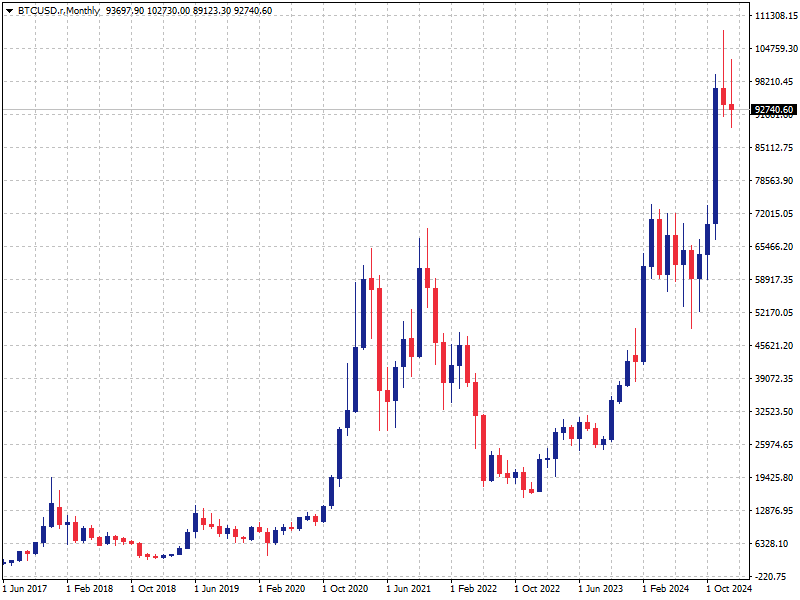
Graph: Bitcoin Price Trends (2017-2025)
Tips for Successful HODLing
- Research Thoroughly: Only hold assets with strong fundamentals.
- Set Clear Goals: Define your long-term financial objectives.
- Diversify: Avoid putting all your funds into a single cryptocurrency.
- Stay Informed: Keep up with market news and updates.
Conclusion
HODLing is more than just a strategy; it’s a mindset shaped by psychology, community, and technology. While it has its benefits, it’s important for HODLers to remain aware of the risks and adapt to market changes. By understanding the psychology behind HODLing, you can make more informed decisions about your crypto journey.
Join the Discussion
Are you a HODLer? What motivates you to hold your coins, and what strategies have worked for you? Share your thoughts in the comments below. Let’s build a community of insightful and supportive crypto enthusiasts!
#HODL #CryptoPsychology #Bitcoin #Ethereum #CryptoCommunity

Leave a Reply