
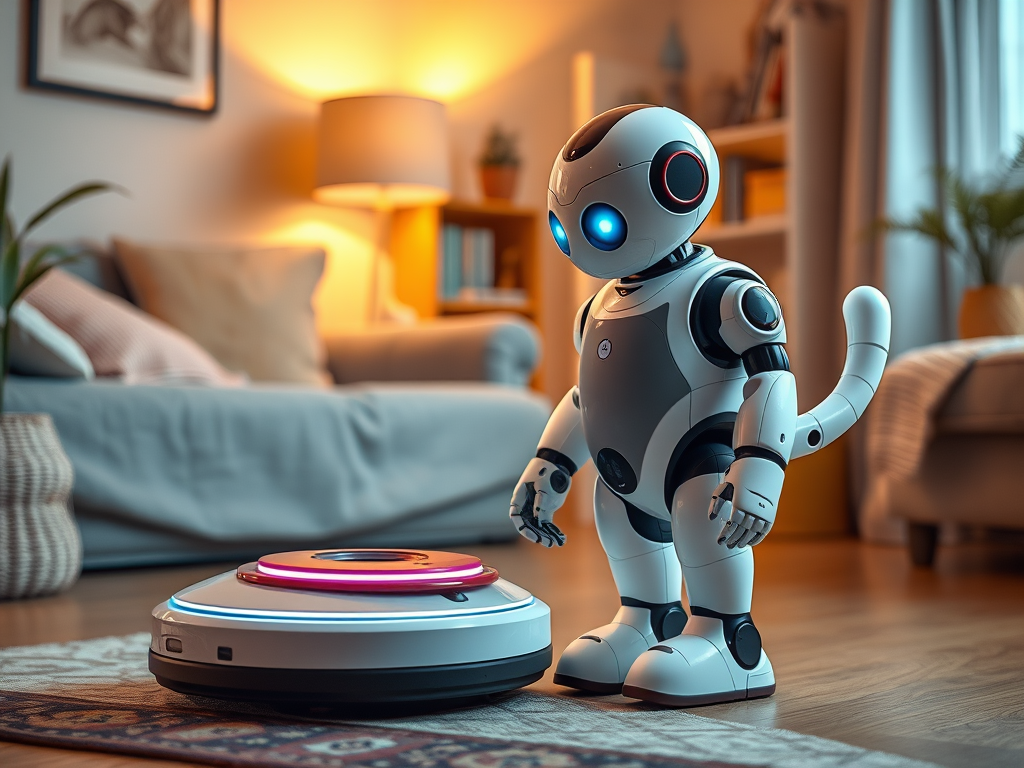
The seamless integration of robotics into daily life is no longer a concept confined to the realm of science fiction. From automated vacuum cleaners that silently navigate our floors to sophisticated social companions designed to reduce loneliness, home robots are reshaping our living spaces and our relationships with technology. This evolution raises profound questions: are these machines merely convenient helpers, or are they harbingers of a future where autonomy gives way to algorithmic control? As we stand at this technological crossroads, it’s crucial to examine the multifaceted roles domestic robots are beginning to play—and what they mean for our future.
Companions and the Quest for Connection
The most charming and arguably most transformative role of modern domestic robots is that of a companion. Companies are investing heavily in creating machines that offer emotional support and interaction. The search for genuine connection is a powerful driver, particularly for an aging global population and individuals who may experience loneliness.
Examples like Paro, a therapeutic seal-like robot, and the Japanese robot Lovot, which is designed to “make you happy,” show this trend in action. These robots use advanced sensors to mimic human or pet-like behaviors, responding to touch, voice, and physical presence. For many, they provide a sense of comfort and a focus for affection. They are designed to be emotionally evocative, capable of wagging a tail, making sounds, or even engaging in simple conversation. The goal is to create a bond, a sense of shared space and experience that goes beyond a simple utility.
However, this raises a crucial ethical dilemma. While a robot companion can provide temporary comfort, can it genuinely fulfill the need for human connection? There are concerns about emotional deception, the potential for people to become overly attached to a machine, and the risk of these devices substituting human caregivers rather than augmenting their work. The question remains: can a machine that learns to simulate empathy ever truly be a friend?
Caretakers: Empowering Independence in the Home
Beyond companionship, home robots are emerging as invaluable caretakers, particularly in assisting the elderly and those with physical disabilities. With a growing demand for care that traditional human services cannot always meet, robots are stepping in to fill critical gaps.
These robotic assistants are being developed to perform a wide array of tasks that empower independence. They can help with daily chores, from fetching items to reminding individuals to take medication. Some are designed with telepresence capabilities, allowing family members or doctors to check in remotely via a video connection. Wearable robotic exoskeletons are even being developed to assist with mobility, offering support and stability for those who might otherwise be confined to a chair.
The development of these robots is driven by powerful AI and advanced sensors that enable them to navigate complex home environments safely. They are a practical solution to a pressing societal need, offering a path to greater autonomy and a higher quality of life for many. This is a role where the robot is a tool of empowerment, a supportive presence that allows individuals to remain in their homes longer and with greater dignity. The challenge, of course, is ensuring these machines are not just functional but also respectful of privacy and personal autonomy.
Controllers: The Unseen Influence and Security Risks
The third, and most concerning, role for domestic robots is that of a controller. This is not a malicious, science-fiction scenario of a robot uprising, but a more subtle and pervasive issue related to data, privacy, and security.
Modern home robots and smart devices are deeply integrated into our digital lives. They are often connected to Wi-Fi networks and smart home ecosystems, constantly collecting data about our habits, preferences, and even our movements. A robotic vacuum can map the layout of your home, and a smart speaker with a microphone is always listening for commands. This creates a trove of personal information that is a prime target for cyber threats.
The security vulnerabilities of these devices are a significant concern. Many are rushed to market without robust security protocols, and their default passwords are often easy for hackers to exploit. A compromised home robot isn’t just a device that stops working; it’s a potential backdoor into your entire home network. Hackers can use these vulnerabilities to spy on residents, gather sensitive data for identity theft, or even create “botnets” to launch cyberattacks.
In this context, the robot shifts from a benevolent helper to a potential surveillance tool. Its role as a “controller” is not about direct command but about the unseen influence it holds through the data it collects and the potential for it to be manipulated by bad actors. Ensuring a future where robots are helpful tools requires a fundamental shift in how we approach security and data privacy. For the Crypythone community, this is a particularly relevant topic, as blockchain technology and decentralized networks may offer novel solutions to these centralization and privacy risks.
The Path Forward
The future of domestic robotics is a balancing act between convenience, compassion, and caution. We are at a pivotal moment where the technology is advancing faster than our societal and ethical frameworks can adapt. To navigate this landscape responsibly, we must prioritize user-centric design that respects privacy, develop robust security protocols, and have open conversations about the social implications of our creations. The robotics revolution is here, and it is up to us to ensure that our future companions and caretakers do not become our controllers.
#RoboticsInTheHome #HomeAutomation #FutureTech #SmartHome #AIEthics
Leave a Reply