
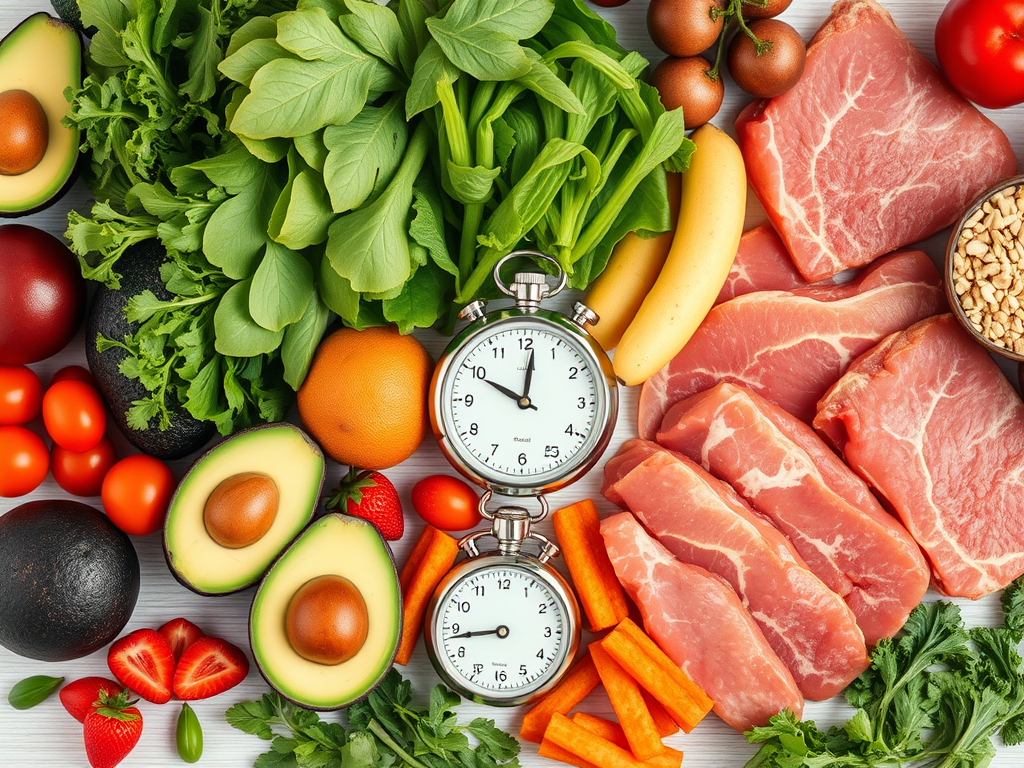
In the ever-evolving world of health and wellness, diet trends come and go like fashion statements. From keto to intermittent fasting, paleo to plant-based, there’s no shortage of advice on how to shed pounds, boost energy, or improve longevity. But how effective are these popular diet trends, really? Are they backed by science or propelled by social media hype? Let’s dive into the truth behind some of the most popular diet trends of recent years.
1. The Ketogenic Diet: Fat for Fuel
The ketogenic (keto) diet is a high-fat, moderate-protein, and very low-carbohydrate eating plan. The goal is to enter a state of ketosis, where your body burns fat for energy instead of carbs. Many followers report rapid weight loss and improved mental clarity.
Pros:
- Fast weight loss
- Reduced blood sugar and insulin levels
- Potential therapeutic benefits for neurological disorders
Cons:
- Hard to maintain
- Risk of nutrient deficiencies
- May increase LDL cholesterol in some individuals
While keto can be effective for short-term weight loss, long-term sustainability is a challenge. It’s crucial to monitor your health and consult with a healthcare provider.
2. Intermittent Fasting: Timing Is Everything
Intermittent fasting (IF) involves cycling between periods of eating and fasting. Common methods include the 16:8 (fast for 16 hours, eat within an 8-hour window) and the 5:2 (eat normally for 5 days, restrict calories for 2).
Pros:
- Simplifies meal planning
- May support weight loss and metabolic health
- Can improve insulin sensitivity
Cons:
- Difficult to follow for some
- Potential for overeating during eating windows
- May not be suitable for everyone (e.g., those with certain medical conditions)
Research suggests IF can be a useful tool, especially when paired with a healthy diet. But as with any regimen, personal compatibility is key.
3. Plant-Based Diets: Powered by Plants
Plant-based diets emphasize fruits, vegetables, legumes, whole grains, nuts, and seeds. Variations include vegetarian, vegan, and flexitarian approaches.
Pros:
- High in fiber and antioxidants
- Lower risk of heart disease, diabetes, and some cancers
- More sustainable and environmentally friendly
Cons:
- Potential nutrient gaps (e.g., B12, iron, omega-3s)
- May require more planning and supplementation
Numerous studies support the health benefits of plant-based eating, particularly when well-planned and balanced.
4. Paleo Diet: Back to the Basics
The paleo diet mimics the eating patterns of our pre-agricultural ancestors. It focuses on whole foods like meat, fish, fruits, vegetables, nuts, and seeds, while excluding grains, dairy, and processed foods.
Pros:
- Emphasizes whole, unprocessed foods
- May reduce inflammation and improve blood sugar control
- Can promote weight loss
Cons:
- Eliminates entire food groups
- Can be expensive and restrictive
- Lacks long-term research
Paleo can work for some people, but it requires careful planning to avoid nutrient deficiencies and ensure variety.
5. Mediterranean Diet: A Time-Tested Tradition
The Mediterranean diet is based on traditional eating habits from countries bordering the Mediterranean Sea. It emphasizes fruits, vegetables, whole grains, fish, olive oil, and moderate wine consumption.
Pros:
- Well-researched and widely recommended
- Heart-healthy and anti-inflammatory
- Flexible and sustainable
Cons:
- May be difficult for those not accustomed to the cuisine
- Can be expensive depending on ingredient availability
This diet consistently ranks as one of the healthiest and most balanced, making it a great choice for long-term health.
The Role of Social Media and Diet Culture
Many diet trends gain popularity not because of scientific backing, but due to viral TikTok videos, influencer endorsements, or celebrity testimonials. This makes it crucial to approach new trends with skepticism and seek evidence-based advice.
Key Considerations Before Starting a Diet
- Health Status: Certain diets can worsen medical conditions.
- Sustainability: Can you stick to the diet long-term?
- Nutrition: Does it provide all essential nutrients?
- Lifestyle Fit: Does it work with your daily routine and preferences?
Table: Comparison of Popular Diets
| Diet Trend | Key Focus | Pros | Cons |
|---|---|---|---|
| Keto | High fat, low carb | Fast weight loss, improved cognition | Hard to sustain, nutrient gaps |
| Intermittent Fasting | Meal timing | Simple, metabolic benefits | May trigger overeating |
| Plant-Based | Fruits, veggies, legumes | Heart-healthy, eco-friendly | Nutrient gaps possible |
| Paleo | Ancestral diet | Whole foods, anti-inflammatory | Restrictive, expensive |
| Mediterranean | Balanced whole foods | Evidence-based, flexible | May be costly |
Final Thoughts: There Is No One-Size-Fits-All
The truth is, the best diet is the one that works for you, physically, mentally, and emotionally. What matters most is a pattern of healthy eating that you can maintain over the long haul. Instead of jumping on the latest diet trend, focus on building a balanced relationship with food.
And if you’re looking to support your health goals with smart crypto investing, consider joining Binance:
Some links in this post are affiliate links. If you use them, I may earn a commission at no extra cost to you. Thank you for supporting Crypythone.com!
What Do You Think?
Have you tried any of these diet trends? What worked, or didn’t, for you? Share your experiences and thoughts in the comments below and help build a supportive health-conscious community!
#HealthyLiving #DietTrends #KetoLife #PlantBasedPower #IntermittentFasting
Leave a Reply