
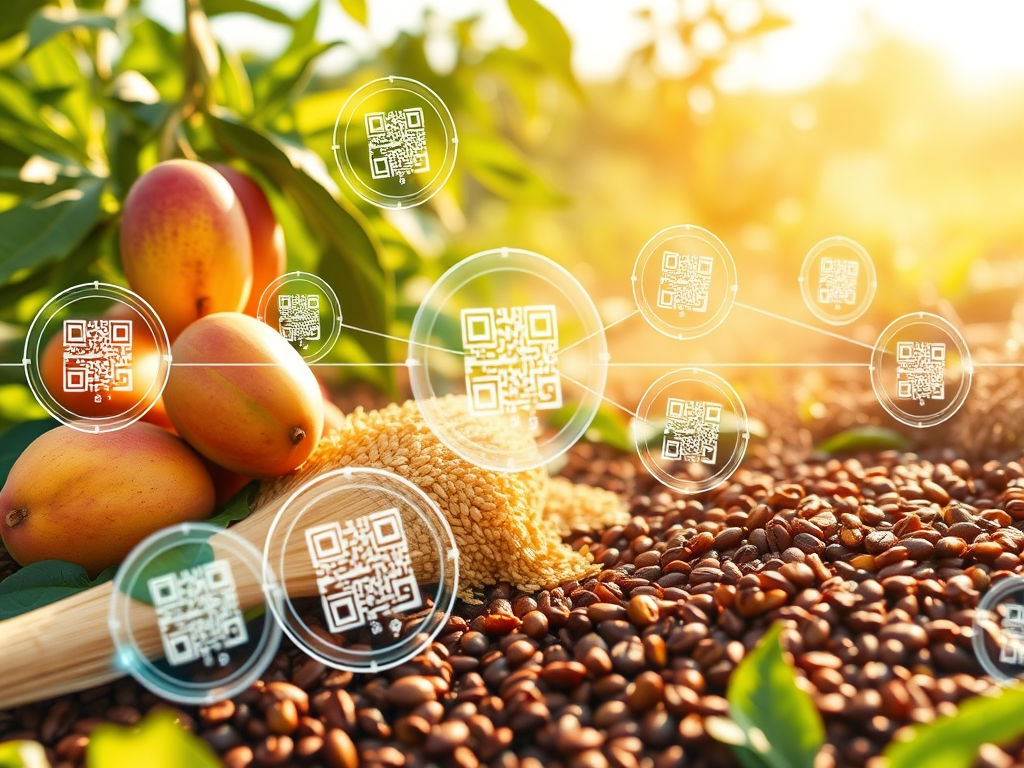
The traditional food supply chain is a labyrinth of complex transactions, middlemen, and paper trails. It’s a system fraught with inefficiencies, ripe for fraud, and often lacking the transparency consumers demand. From farm to fork, the journey of our food can be a mystery. But what if every single ingredient, every grain of wheat, every coffee bean, could be assigned its own digital identity? What if food ingredients themselves could be “tokenized” on a blockchain? This isn’t science fiction; it’s a rapidly evolving reality that could revolutionize how we grow, distribute, and consume food.
The Foundational Flaw in the Food Chain
Before we dive into the solution, it’s crucial to understand the problem. The current food system suffers from several critical vulnerabilities:
- Lack of Traceability: When a food safety crisis strikes, tracing the source of contamination can take weeks. This delay leads to widespread, costly recalls and erodes public trust. The sheer number of handoffs—from farmer to processor to distributor to retailer—makes pinpointing the origin a slow and manual process.
- Rampant Fraud: Food counterfeiting is a multi-billion dollar problem. From mislabeled seafood to diluted olive oil and counterfeit organic produce, fraud not only cheats consumers but also poses serious health risks. The opaque nature of the supply chain makes it easy for bad actors to swap out ingredients or misrepresent product origins.
- Operational Inefficiencies: The fragmentation of the food supply chain leads to massive waste. Inefficient inventory management, overproduction, and poor logistics result in significant food loss, which is both an economic and an environmental disaster.
These issues are not just headaches for businesses; they directly impact consumer confidence and the sustainability of our food systems. The world needs a new model, and blockchain technology, particularly through tokenization, is providing it.
The Blockchain Breakthrough: Tokenizing the Farm and Fork
Tokenization in the food industry is the process of converting a tangible asset—in this case, a food ingredient or product—into a secure, digital token on a blockchain. This digital token acts as an immutable, verifiable record of the asset’s entire lifecycle. Each time the product changes hands, a new block of data is added to the chain, creating a permanent, transparent history. This is not just about tracking; it’s about building an unshakeable foundation of trust.
How Tokenization Works in Practice
Imagine a crate of mangoes. At the farm, each mango or batch is assigned a unique digital token, possibly via a QR code or an RFID tag. This token is created on a blockchain and is now a verifiable representation of that physical product. The first piece of data recorded is the origin—the farm name, location, and date of harvest. This data is locked in a block.
When the mangoes are shipped to a processing facility, the transfer is recorded on the blockchain. The new block contains data about transportation, temperature, and any quality checks performed. This continues at every stage: processing, packaging, and distribution to the retailer.
- Smart Contracts for Automation: Embedded within these tokens are smart contracts. These are self-executing contracts with the terms of the agreement directly written into code. For example, a smart contract could automatically release payment to the farmer as soon as a shipment is received by the distributor and verified on the blockchain. This eliminates delays and reduces the need for traditional intermediaries.
- Verifiable Credentialing: Certifications, such as “organic” or “fair trade,” can be tokenized as verifiable credentials. When a consumer scans the QR code on a bag of coffee beans, they can instantly see the immutable proof that the farm is indeed certified. This provides an unprecedented level of assurance and empowers consumers to make informed choices.
Companies like IBM Food Trust have already pioneered this approach, working with major retailers like Walmart to track food items. This has drastically reduced the time it takes to trace a product back to its source during a recall—from weeks to mere seconds.
A Future of Unparalleled Transparency and Efficiency
The tokenization of food ingredients promises a future where a simple scan from a smartphone reveals the entire history of a product. It’s a future where consumers are no longer guessing about what they’re eating, and where producers are rewarded for sustainable and ethical practices.
The Impact on Stakeholders:
- For Producers (Farmers): Tokenization provides direct access to capital and new markets. Farmers can tokenize future yields to secure financing, bypassing traditional banks and reducing borrowing costs. It also ensures they are fairly compensated for their products.
- For Businesses: This technology streamlines operations, reduces administrative overhead, and cuts down on waste. With real-time data, companies can optimize logistics, improve inventory management, and respond to recalls with pinpoint accuracy.
- For Consumers: This is the ultimate win. Consumers gain peace of mind, knowing the exact origin and journey of their food. They can verify claims of sustainability, ethical sourcing, and quality with a single tap. This transparency builds trust and strengthens the relationship between brands and their customers.
The Road Ahead
While the potential is immense, challenges remain. The technology needs to be scalable and interoperable across different systems and blockchains. Regulatory frameworks must adapt to this new paradigm, and adoption needs to become more widespread, particularly among smallholder farmers who may lack the necessary digital infrastructure.
However, the momentum is undeniable. The convergence of blockchain with other technologies like the Internet of Things (IoT) and Artificial Intelligence (AI) will only accelerate this transformation. IoT sensors on farms and in shipping containers can feed real-time data—temperature, humidity, location—directly into the blockchain, creating a richer, more accurate digital record.
The tokenization of food ingredients is more than just a technological upgrade; it’s a fundamental shift towards a more resilient, transparent, and equitable food system. It’s about building a chain of trust, block by block, from the soil to our plates.
Leave a Reply