
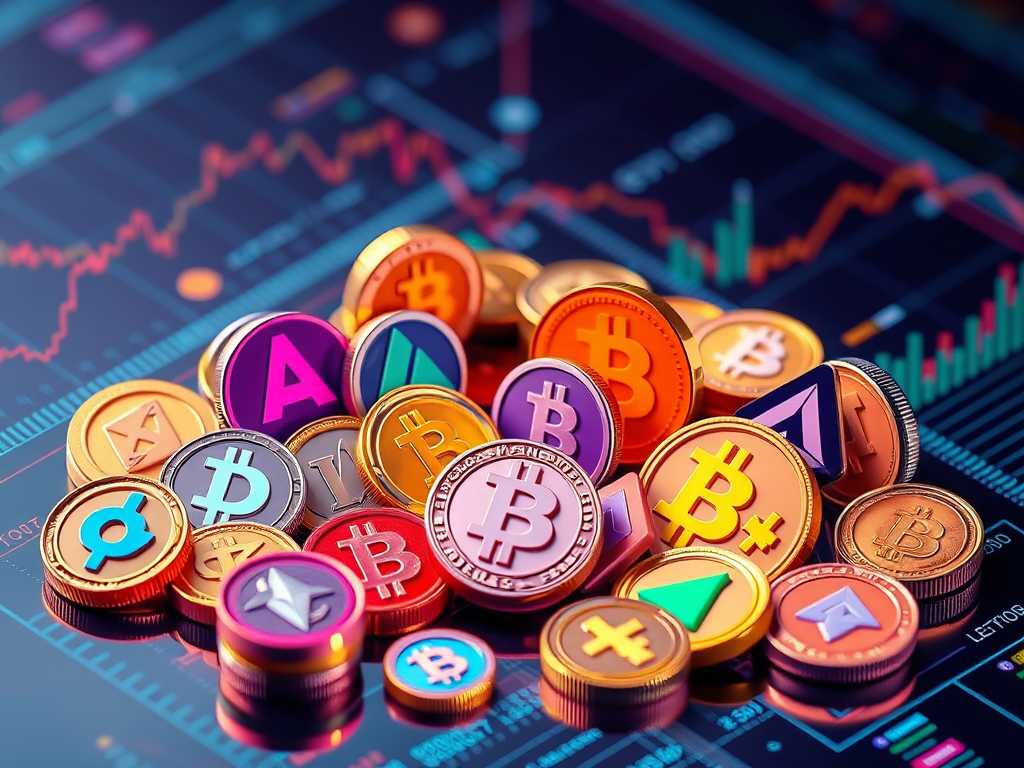
As the cryptocurrency landscape continues to evolve, many traders and investors find themselves exploring beyond Bitcoin. Enter altcoins: alternative cryptocurrencies that offer a world of possibilities for diversification and innovation. In this blog, we’ll break down what altcoins are, how they differ from Bitcoin, and tips for trading them effectively.
What Are Altcoins?
Altcoins, or “alternative coins,” refer to any cryptocurrency that isn’t Bitcoin. While Bitcoin is the original and most well-known cryptocurrency, thousands of altcoins have been created, each with unique features and purposes.
Types of Altcoins:
- Utility Tokens: Tokens designed to provide access to specific services within a blockchain ecosystem (e.g., Ethereum’s ETH).
- Stablecoins: Cryptocurrencies pegged to stable assets like fiat currencies or gold (e.g., USDT, USDC).
- Security Tokens: Digital assets representing ownership in a project or company.
- Meme Coins: Fun and community-driven tokens often lacking serious utility (e.g., Dogecoin, Shiba Inu).
- Governance Tokens: Used to vote on decisions within decentralized protocols (e.g., UNI for Uniswap).
Why Are Altcoins Important?
Altcoins extend the utility of blockchain technology beyond Bitcoin’s primary use case as digital gold. They drive innovation, support decentralized applications (dApps), and enable new financial ecosystems like decentralized finance (DeFi).
Benefits of Altcoins:
- Diverse Use Cases: Altcoins cater to various sectors like gaming, supply chain, and finance.
- Lower Entry Costs: Many altcoins are priced lower than Bitcoin, allowing for diversified portfolios.
- Innovation: Altcoins like Cardano or Polkadot introduce new protocols and improvements to blockchain technology.
How to Trade Altcoins
Trading altcoins can be highly rewarding but also comes with risks. Here are some steps and tips to get started:
1. Choose the Right Exchange:
- Use reputable platforms like Binance, Coinbase, or Kraken for secure trading.
- Ensure the exchange supports the altcoins you want to trade.
2. Do Your Research (DYOR):
- Study the project’s whitepaper, team, and roadmap.
- Analyze market trends and sentiment using platforms like CoinMarketCap or Glassnode.
3. Understand Market Volatility:
- Altcoins can be more volatile than Bitcoin, leading to higher risks and rewards.
- Use tools like stop-loss orders to manage risks.
4. Use Technical Analysis:
- Study price charts, moving averages, and RSI indicators to predict trends.
- Combine technical insights with fundamental analysis for better decisions.
5. Start Small:
- Invest only what you can afford to lose, especially as you learn the market dynamics.
Risks of Trading Altcoins
- High Volatility: Prices can swing drastically within hours or even minutes.
- Liquidity Issues: Some lesser-known altcoins may have low trading volumes, making it hard to buy or sell large amounts.
- Scams: Be wary of “pump-and-dump” schemes and projects without credible teams or utility.
- Regulatory Risks: Governments may impose restrictions on certain altcoins or platforms.
Top Altcoins to Watch
- Ethereum (ETH): The largest altcoin, powering dApps and DeFi.
- Cardano (ADA): Focused on scalability and sustainability.
- Solana (SOL): Known for high-speed transactions.
- Polkadot (DOT): Enables cross-chain communication.
- Chainlink (LINK): Provides real-world data to smart contracts.
Final Thoughts
Altcoins open up exciting opportunities for those willing to venture beyond Bitcoin. However, trading altcoins requires due diligence, a clear strategy, and a risk management plan. As you explore this dynamic market, stay informed and be prepared for both highs and lows.
What has your experience been with altcoins? Are there specific ones you’re interested in or have traded successfully? Share your thoughts in the comments below and join the conversation.
#Altcoins #CryptoTrading #Blockchain #Ethereum #DeFi #CryptoCommunity
Leave a Reply