
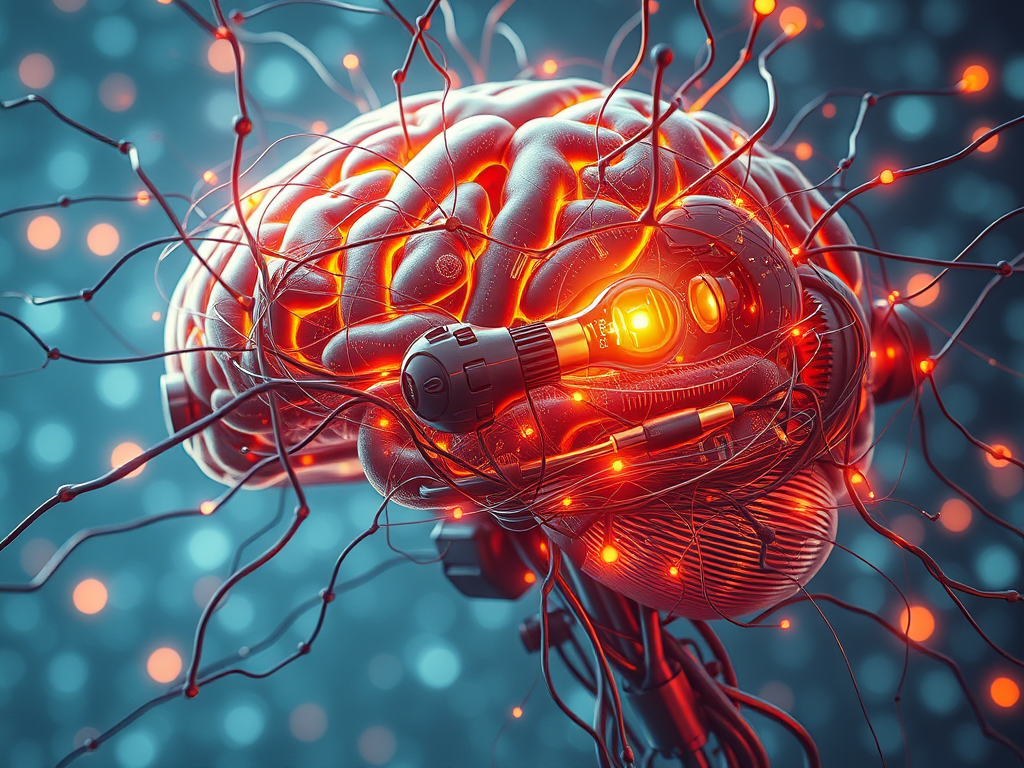
For millennia, the human brain has remained our greatest and most enduring mystery. A universe of electrical signals and intricate neural pathways, it is the seat of our consciousness, our memories, and our very identity. For the longest time, our understanding of this incredible organ was limited to observation and theory. But today, a revolution is underway. The pace of discovery in neuroscience has never been faster, driven by a new generation of technological tools that are finally allowing us to peer into the mind with unprecedented clarity. We are no longer just guessing at the brain’s functions; we are unlocking its secrets one breakthrough at a time, paving the way for a future of enhanced health, cognition, and well-being.
At Crypythone, we believe that understanding the brain is the key to unlocking the future of humanity itself. This isn’t just about a scientific pursuit; it’s about a journey toward a healthier, more resilient, and more connected human experience. Let’s explore some of the most profound and exciting discoveries shaping this new era of neuroscience.
1. The Brain-Computer Interface (BCI) Revolution
The concept of controlling devices with our thoughts once belonged exclusively to science fiction. Today, it is a reality that is changing lives. Brain-Computer Interfaces (BCIs) are the cutting-edge technology that enables a direct line of communication between the brain and external devices. These interfaces are no longer theoretical; they are a transformative force in the medical community.
For individuals with paralysis or neurodegenerative diseases like ALS, BCIs are restoring a sense of autonomy. Recent advancements have allowed patients to use their minds to control robotic limbs with precision or to communicate by simply thinking, achieving typing speeds that approach conversational pace. The technology is also becoming more accessible and less invasive. While some BCIs require surgical implantation for high-resolution data, new, non-invasive systems are being developed that can boost cognitive function and attention with the aid of AI, all from a simple wearable headset. We are moving toward a future where the line between thought and action is becoming delightfully blurred, offering new hope and dignity to millions.
2. Neuroplasticity: The Brain’s Innate Resilience
For many years, the human brain was thought to be a static organ, its neural pathways fixed and unchangeable after a certain age. We now know this is a myth. The latest research is proving that the brain is astonishingly adaptable—a phenomenon known as neuroplasticity. The brain has the remarkable ability to reorganize itself by forming new neural connections throughout life, a discovery with powerful implications for health and healing.
This understanding is being harnessed to develop groundbreaking therapies. After a stroke, for example, targeted neurorehabilitation using a variety of technologies can help the brain rewire itself to regain lost motor functions. Scientists are also using this knowledge to help people “unlearn” chronic pain, which is often a result of ingrained neural pathways. This newfound emphasis on the brain’s resilience offers a positive and empowering message: our brains are not only capable of healing but can also be actively strengthened and optimized through a combination of lifestyle changes and targeted interventions.
3. The Gut-Brain Connection: The “Sixth Sense”
Modern neuroscience is taking a holistic view of the body, recognizing that the brain does not operate in isolation. One of the most exciting and rapidly advancing fields of research is the gut-brain axis, the intricate bidirectional communication pathway between the central nervous system and the gut microbiome. We have long suspected a link, but new discoveries are providing direct evidence of a profound connection.
Researchers have identified what they call a “neurobiotic sense”—a direct, real-time neural communication pathway from the gut to the brain. This “sixth sense” is not a slow, hormonal process, but a rapid-fire neural signal that allows gut microbes to directly influence behavior. This groundbreaking research shows how specific proteins released by gut bacteria can quickly send signals to the brain via the vagus nerve, influencing appetite and potentially even emotions. This discovery is opening up entirely new avenues for treating mental health conditions, neurological disorders, and even obesity by targeting the gut microbiome, highlighting the deep interconnectedness of our body and mind.
4. Precision Medicine for a Healthier Mind
In the past, treatments for neurological and psychiatric disorders often relied on a one-size-fits-all approach. Today, we are on the cusp of an era of precision medicine, where treatments are tailored to an individual’s unique brain chemistry and genetic makeup.
Advances in genomics, neuroimaging, and AI are now allowing researchers to identify specific genes and proteins that predispose individuals to conditions like Alzheimer’s, Parkinson’s, and even depression. This knowledge is leading to the development of highly targeted therapies. For example, some new drugs are being designed to address specific genetic mutations, while others are being developed to target the very proteins that cause diseases like Alzheimer’s, long before symptoms even appear. By combining this genetic data with personalized neuroimaging, doctors can create therapeutic plans that are more effective and have fewer side effects, signaling a powerful shift from reactive medicine to proactive, personalized care.
Paving the Way for a Better Future
These discoveries are not just academic curiosities; they are the building blocks of a better future. They point to a world where devastating neurological diseases become manageable, where mental health is better understood and treated, and where the human brain’s potential can be fully realized. Of course, with great power comes great responsibility. The rapid development of these neurotechnologies necessitates a thoughtful conversation about ethics, data privacy, and ensuring that access to these life-changing advancements is equitable. But these are the growing pains of a field that is poised to change everything for the better.
The human brain is no longer a dark and distant frontier. It is a vibrant, exciting landscape of discovery, and every day we are learning more about its incredible power. The future is bright, and it is being built one neural connection at a time.
#Neuroscience #BrainHealth #Neuroplasticity #BCI #MindResearch
Leave a Reply