
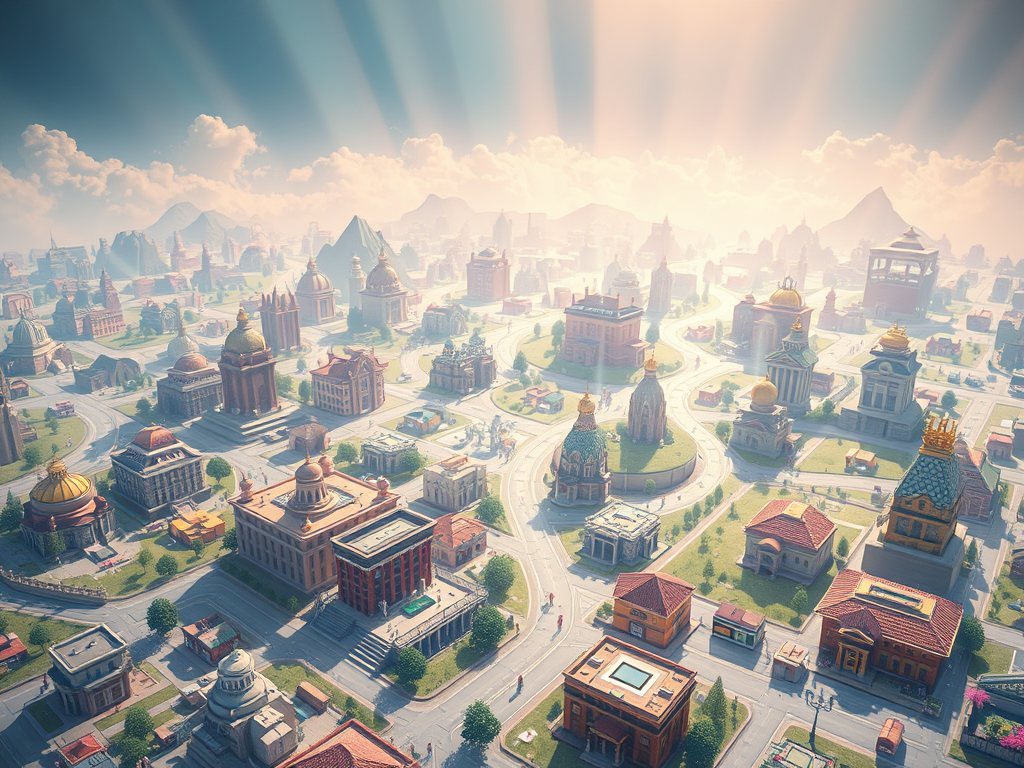
In the rapidly evolving world of blockchain technology, one of the most intriguing developments has been the rise of virtual real estate within blockchain-powered games. What started as a niche concept has transformed into a booming digital economy, where users spend millions to own plots of virtual land. But why are people investing in digital land, and what does this mean for the future of gaming and digital ownership?
What Is Virtual Real Estate in Blockchain Games?
Virtual real estate refers to plots of digital land within online worlds or metaverses, which are typically powered by blockchain technology. These plots are often sold as non-fungible tokens (NFTs), providing verifiable ownership to the buyer. Players can build, trade, lease, or even develop these lands, just like real-world properties.
Why Are People Buying Digital Land?
1. Digital Ownership and Investment
One of the main reasons people buy virtual real estate is for investment purposes. Like physical real estate, digital land can appreciate in value over time, especially if the underlying game or platform becomes popular. Early adopters of platforms like Decentraland or The Sandbox have seen significant returns on their investments.
2. Monetization Opportunities
Owners of virtual land can generate revenue in various ways, such as:
- Renting their land to other players.
- Hosting virtual events and charging entry fees.
- Building digital businesses (shops, galleries, casinos).
3. Creative Freedom
Digital land allows users to create unique experiences, from designing immersive art galleries to building virtual arcades. This creative freedom attracts artists, designers, and developers who see virtual land as a canvas.
4. Social Status
Owning a piece of prime virtual real estate can be a status symbol, just like owning an expensive watch or luxury car. Some players take pride in owning land in high-traffic areas of popular metaverses.
Popular Platforms Offering Virtual Real Estate
1. Decentraland
Decentraland is one of the most well-known blockchain-based virtual worlds. Players can purchase, develop, and sell land using the platform’s native cryptocurrency, MANA.
2. The Sandbox
The Sandbox offers a voxel-style virtual world where users can buy and build on plots of land using the SAND token. The platform has partnerships with major brands, increasing the value of land.
3. Cryptovoxels
This platform offers a simple, voxel-based virtual world with purchasable land. Owners can build art galleries, shops, or event spaces.
4. Somnium Space
Known for its high-quality VR experience, Somnium Space allows users to buy land, build structures, and monetize their creations in a fully immersive environment.
How Blockchain Secures Digital Real Estate
Blockchain technology ensures that digital land ownership is secure and verifiable. When someone buys a plot of land, a smart contract records the transaction on the blockchain, making it tamper-proof. This also means that players can sell, trade, or lease their land without requiring a central authority.
The Role of Binance in Virtual Real Estate
As one of the largest cryptocurrency exchanges, Binance plays a key role in the blockchain gaming ecosystem. Through its NFT marketplace and support for metaverse tokens, Binance makes it easy for users to buy, sell, and trade virtual land.
Some links in this post are affiliate links. If you use them, I may earn a commission at no extra cost to you. Thank you for supporting Crypythone.com!
Future Trends in Virtual Real Estate
- Integration with the Metaverse: Expect to see more interconnected virtual worlds.
- Enhanced Monetization Tools: Platforms will offer more ways for landowners to earn.
- VR and AR Compatibility: Immersive experiences will drive demand for virtual land.
- Brand Involvement: More major brands will buy land to create digital experiences.
Key Challenges of Virtual Real Estate
Despite its promise, virtual real estate comes with challenges:
- Price Volatility: The value of virtual land can fluctuate based on market demand.
- Platform Dependency: Value depends on the success of the underlying platform.
- Security Risks: Users must secure their digital assets against hacks.
Conclusion
Virtual real estate is more than just a digital novelty, it represents the next evolution of digital ownership and investment. As blockchain gaming continues to grow, the demand for virtual land is likely to rise. Whether you’re a gamer, investor, or digital creator, virtual real estate offers a world of possibilities.
Are you ready to explore the world of virtual real estate? Share your thoughts in the comments below!
Leave a Reply